Supreme Court Upholds Decision to Reinstate Nation's Top Copyright Official Amid Legal Battle Over Presidential Authority
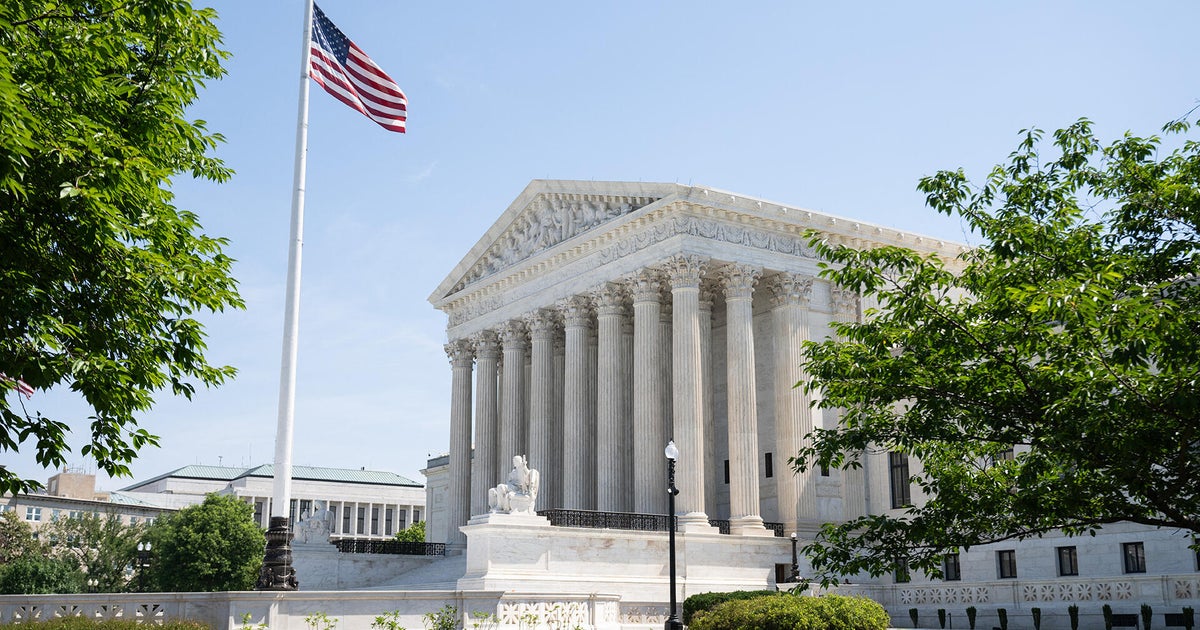
The Supreme Court has decided not to allow President Trump to remove the nation's top copyright official at this time, upholding a federal appeals court order that reinstated her. This ruling is a setback for the Trump administration's attempts to dismiss officials appointed by Democrats. The case involves the firing of Shira Perlmutter, the register of copyrights, by President Trump earlier this year. Perlmutter challenged her termination, arguing that the president lacked the authority to remove her. The court's denial of emergency relief does not address the legal issues in the case.
Perlmutter served as the director of the U.S. Copyright Office under the librarian of Congress. She was fired after releasing a report on artificial intelligence and copyright to Congress. The dispute arose when Carla Hayden, the librarian of Congress, was removed by the president, and her temporary replacement was directed to dismiss Perlmutter. Perlmutter contended that the president did not have the power to appoint an acting librarian who could then remove her from her position.
A U.S. district court initially did not allow Perlmutter to remain in her role during the lawsuit, but a panel of judges from the U.S. Court of Appeals for the District of Columbia Circuit reinstated her. The judges found that the president's interference with a legislative branch official's duties violated the separation of powers. The register of copyrights advises Congress on copyright law and holds a unique position within the legislative branch. The court also questioned the legality of the appointment of an acting librarian without Senate confirmation.
The Trump administration argued that both the librarian of Congress and register of copyrights are part of the executive branch and exercise executive powers. However, Perlmutter's lawyers countered that the Library of Congress is defined as part of the legislative branch by Congress. They accused the administration of disrupting Congress's governance plans for the Library and disregarding the law. The case highlights the constitutional implications of the president's attempt to remove a legislative branch official without proper authority.
In conclusion, the Supreme Court's decision to deny emergency relief in the case of the nation's top copyright official underscores the ongoing legal battle over the separation of powers and the president's authority to remove appointed officials. The dispute raises questions about the boundaries between the executive and legislative branches and the implications for the governance of key institutions like the U.S. Copyright Office and the Library of Congress.