Supreme Court Upholds Birthright Citizenship: A Victory for Equality and Inclusion
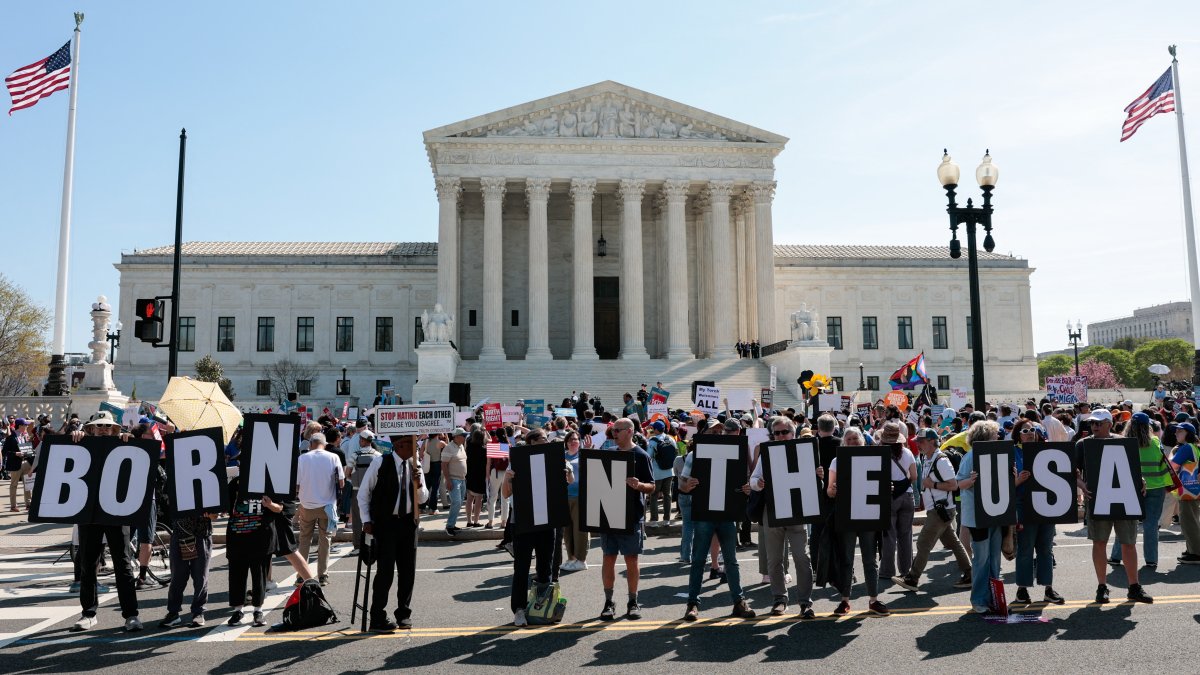
The Supreme Court recently ruled against President Donald Trump's executive order to restrict birthright citizenship in the United States. Trump's order, issued on his first day of his second term, aimed to end automatic citizenship for children born to foreign national parents in the U.S. Legal challenges prevented the order from taking effect, and the court's 6-3 ruling upheld birthright citizenship for children born in the country, regardless of their parents' nationality.
The decision was praised by Derrick Johnson, president and CEO of the NAACP, as a reaffirmation of the Constitution and the principle of equality. The ruling ensures that children born in the U.S. to immigrant parents, whether legally or illegally present in the country, are considered American citizens. Opponents of Trump's order argued that it would have affected millions of future U.S.-born children, potentially stripping them of citizenship rights.
While birthright citizenship remains protected, immigrants in the U.S. still face challenges, including recent Supreme Court rulings that could impact Temporary Protective Status for about 1 million individuals from countries like Haiti, Syria, and Venezuela. Neidi Dominguez, executive director of Organized Power In Numbers, emphasized the ongoing struggles faced by immigrant workers despite the court's decision on birthright citizenship.
The 14th Amendment, ratified in 1868, guarantees citizenship to babies born in the U.S., overturning previous Supreme Court decisions that denied citizenship to certain groups. Chief Justice John Roberts, in the court's ruling, stated that Trump's executive order violated the 14th Amendment's principles of citizenship as a fundamental right. The decision upholds the promise of citizenship for all individuals born in the U.S., regardless of their parents' background.
In conclusion, the Supreme Court's ruling on birthright citizenship represents a significant victory for the principles of equality and inclusion in the United States. The decision reaffirms the longstanding guarantee of citizenship for children born in the country and upholds the core protections enshrined in the 14th Amendment. Despite ongoing challenges faced by immigrants, the court's decision serves as a reminder of the importance of preserving fundamental rights for all individuals in the U.S.