Supreme Court Ruling on Birthright Citizenship: Chief Justice Roberts and Justice Jackson's Concurring Opinions
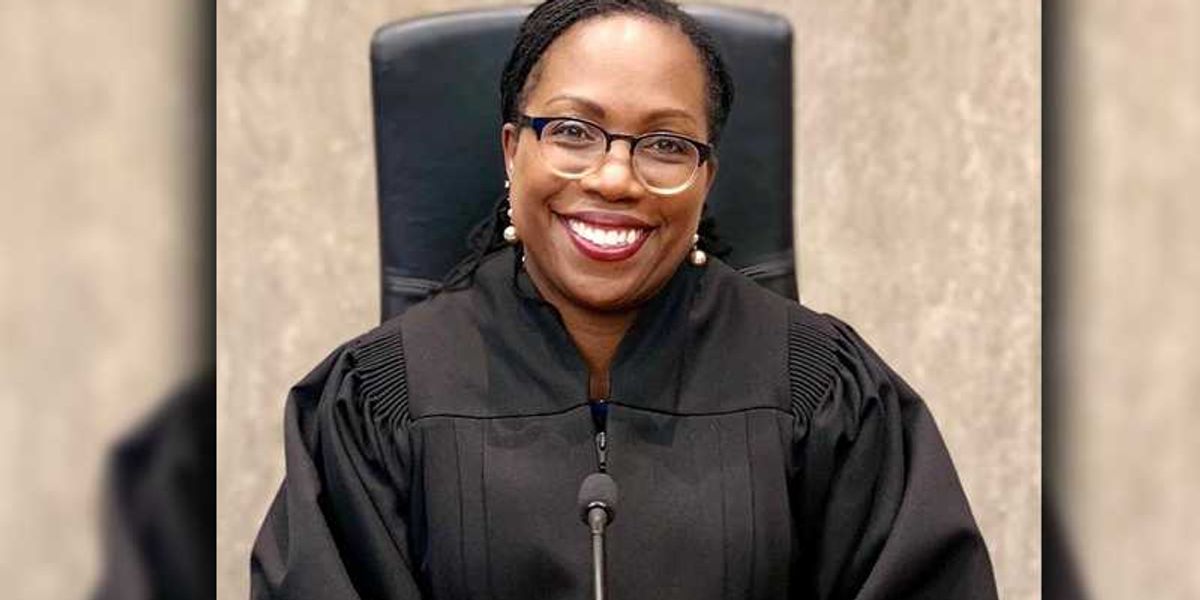
The U.S. Supreme Court recently ruled against President Donald Trump's birthright citizenship executive order in a decision authored by Chief Justice John Roberts. Justice Ketanji Brown Jackson also issued a separate concurrence criticizing Justice Clarence Thomas by name. Roberts delved into the history of birthright citizenship in a 31-page opinion, while Jackson responded to Thomas' dissent, challenging his interpretation of the Citizenship Clause and the Fourteenth Amendment. She accused Thomas of having a narrow view of the Amendment and emphasized its role in reshaping the nation post-Reconstruction.
Jackson accused Thomas of a "myopic treatment" of the 14th Amendment, arguing that it marked a significant shift in the country's trajectory. She highlighted the broader lesson of equality and referenced cases where the promise of equal citizenship was denied by the Court. Jackson closed her concurrence by praising the Court for upholding the fundamental principle of equality enshrined in the nation's founding.
Legal experts and commentators praised Jackson's concurrence, with Bill Shein describing it as a "blistering takedown" of Thomas's dissent. Northwestern University School of Law Professor Paul Gowder commended Jackson for her insights, while Loyola University School of Law Professor Justin Levitt lauded her for addressing the inconsistencies in the dissent's colorblindness jurisprudence. Jackson's concurrence sparked discussions about the historical context and implications of the Fourteenth Amendment, emphasizing the importance of equality and justice in the interpretation of constitutional principles.