Supreme Court to Review Arizona Voting Rules: Impact on Voter Registration Nationwide
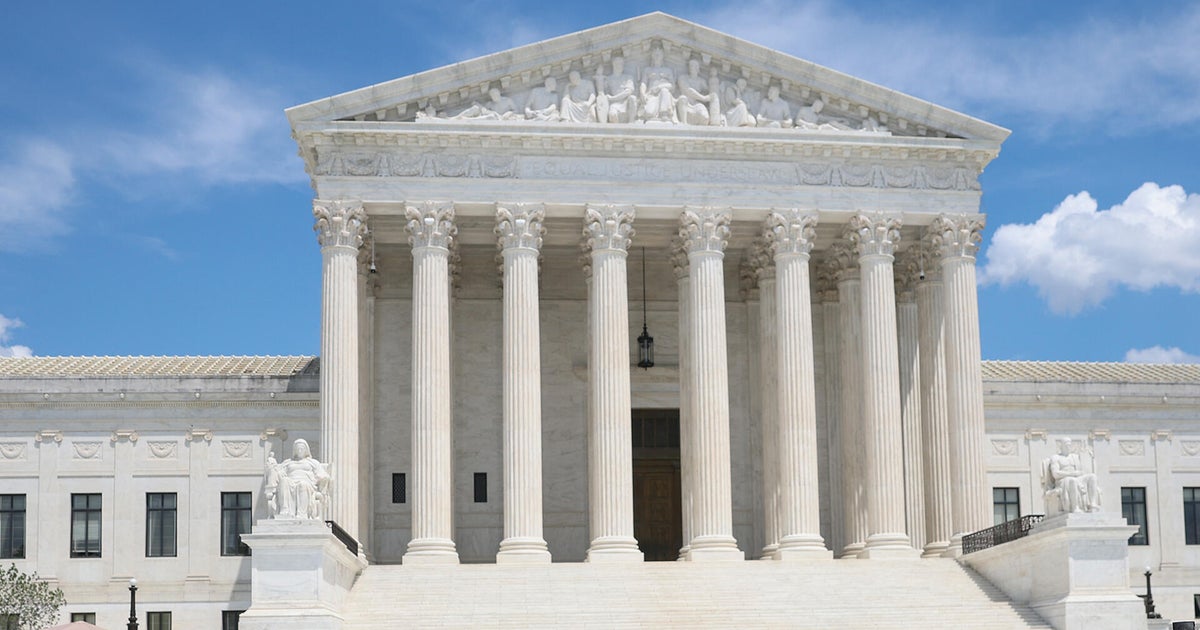
The Supreme Court has agreed to hear a case regarding Arizona's voting rules, specifically a law that requires proof of citizenship to register to vote on a state form. This case raises questions about the state's efforts to tighten voting requirements and prevent noncitizens from voting. The dispute involves two Arizona laws passed after the 2020 election, one requiring proof of citizenship for voter registration on a state form and the other involving procedures to review and cancel voter registrations of noncitizens.
Prospective voters in Arizona can register using a federal form that does not require proof of citizenship. Those who register using the federal form without providing citizenship proof are only eligible to vote in federal elections, not for president or by mail. The case was brought to the Supreme Court after lawsuits were filed by the Democratic National Committee, the Arizona Democratic Party, and nonprofit organizations challenging the new voting laws.
A federal district court initially ruled that election officials could not reject state voter registration forms without proof of citizenship, citing a consent decree. The U.S. Court of Appeals for the 9th Circuit upheld this ruling, stating that the proof-of-citizenship requirement for federal elections on the state form violated the National Voting Registration Act. The court also found that the law prevented county recorders from systematically canceling voter registrations of individuals believed to be noncitizens within 90 days of a federal election.
Arizona has been enforcing the citizenship rule for voter registration on the state form while the legal battle continues. In a separate case involving Virginia's voter-removal program, the Supreme Court allowed the state to remove alleged noncitizens from its voter rolls before the 2024 federal elections. Republicans in Arizona have appealed decisions in multiple cases related to the state's voting requirements, with the Trump administration supporting one of the appeals involving the proof-of-citizenship requirement and voter roll purging.
In conclusion, the Supreme Court's decision on Arizona's voting rules will have significant implications for the state's election procedures and could impact voter registration requirements nationwide. The case highlights the ongoing debate over voting rights and efforts to prevent election fraud, setting the stage for a crucial legal battle over voting laws in the United States.