Supreme Court Declines to Hear Dershowitz Defamation Case Against CNN: Implications of New York Times v. Sullivan Precedent
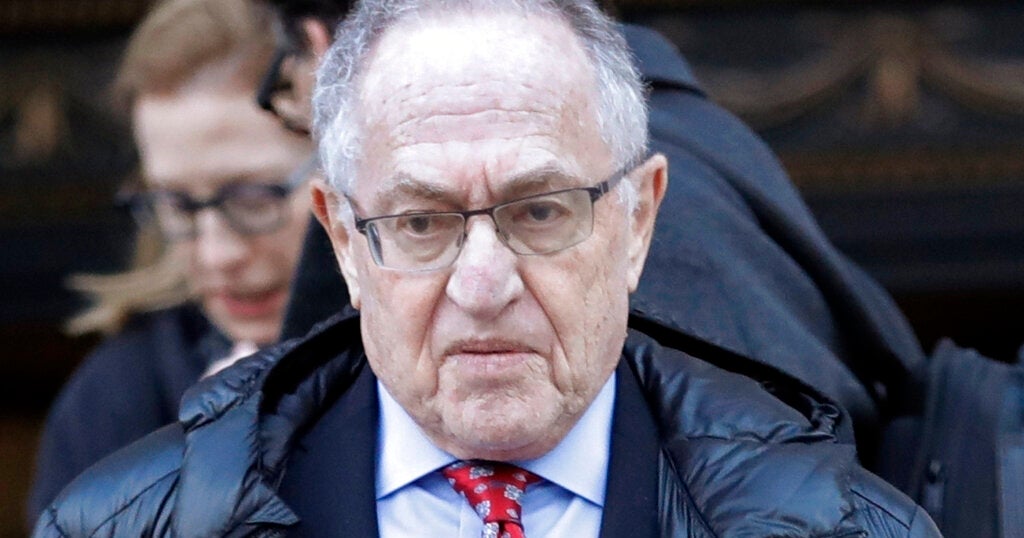
The Supreme Court declined to hear a case brought by former Harvard law professor Alan Dershowitz against CNN, alleging defamation during President Trump's 2020 impeachment trial. The case involved the high bar set by the 1964 New York Times v. Sullivan decision for public figures to win defamation lawsuits against media companies. Justices Clarence Thomas and Neil Gorsuch dissented from the decision not to hear the case, but the rest of the court did not show interest in revisiting the precedent. Dershowitz's lawsuit against CNN stemmed from remarks he made during the impeachment trial, where he served on the president's legal team. Despite appearing on CNN to explain his argument, Dershowitz filed a $300 million defamation lawsuit, claiming the network intentionally misrepresented his statements. The federal district court and the U.S. Court of Appeals ruled in favor of CNN, finding no evidence of actual malice in their coverage. Dershowitz appealed to the Supreme Court, arguing that the New York Times v. Sullivan precedent has shielded the media from accountability. CNN's lawyers argued that Dershowitz's lawsuit targeted protected opinions or interpretations of his arguments.