The Ongoing Purge of the U.S. Military: Implications for Democracy and National Security
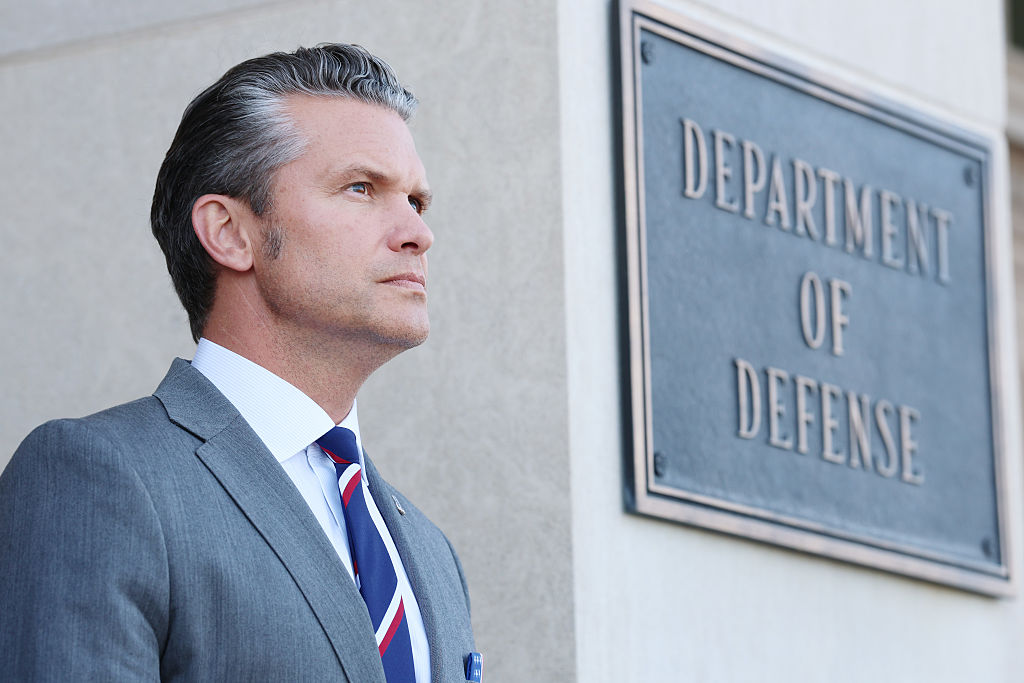
The ongoing purge of the United States military by Secretary of Defense Pete Hegseth is intensifying, despite efforts by him and President Donald Trump to secure its loyalty. Recently, the Army announced that Gen. Christopher T. Donahue, a highly respected officer commanding U.S. Army Europe and Africa, will step down in July after a short 18-month tenure. This removal is significant, especially considering the administration's shift away from NATO and Europe. Donahue's departure adds to a growing list of distinguished officers who have been forced out or denied promotions for various reasons, including partisan, personal, racial, or gender biases.
Critics have raised concerns that this ongoing purge is undermining the military's strength at a time when it may face conflicts with China and after its vulnerabilities were exposed during the Iran war. However, the implications of Hegseth's actions extend beyond military readiness to America's democracy crisis. Traditionally, the U.S. military has been apolitical, prioritizing loyalty to the Constitution and the American people over any individual politician. Yet, Trump's personalistic leadership style views the military as an extension of his own power and will, challenging its historical independence.
As the purge continues, the administration is simultaneously pushing for a record $1.5 trillion defense budget for 2027, representing a substantial 40% increase in a single year and one of the largest in U.S. history. This strategy mirrors authoritarian tactics of removing independent military leaders to ensure unwavering allegiance to the president. The combination of purging officers and seeking increased military funding raises concerns about the erosion of military independence and the consolidation of power within the administration.
In conclusion, the escalating purge of military leaders under Secretary of Defense Pete Hegseth's direction, coupled with President Trump's efforts to assert control over the armed forces, raises significant concerns about the erosion of military independence and the potential implications for U.S. democracy. The removal of respected officers like Gen. Christopher T. Donahue and the push for a substantial increase in defense spending underscore the administration's efforts to consolidate power and reshape the military to align with personal interests.