Supreme Court Upholds Trump's Immigration Policies: Impact on Deportations and Border Security
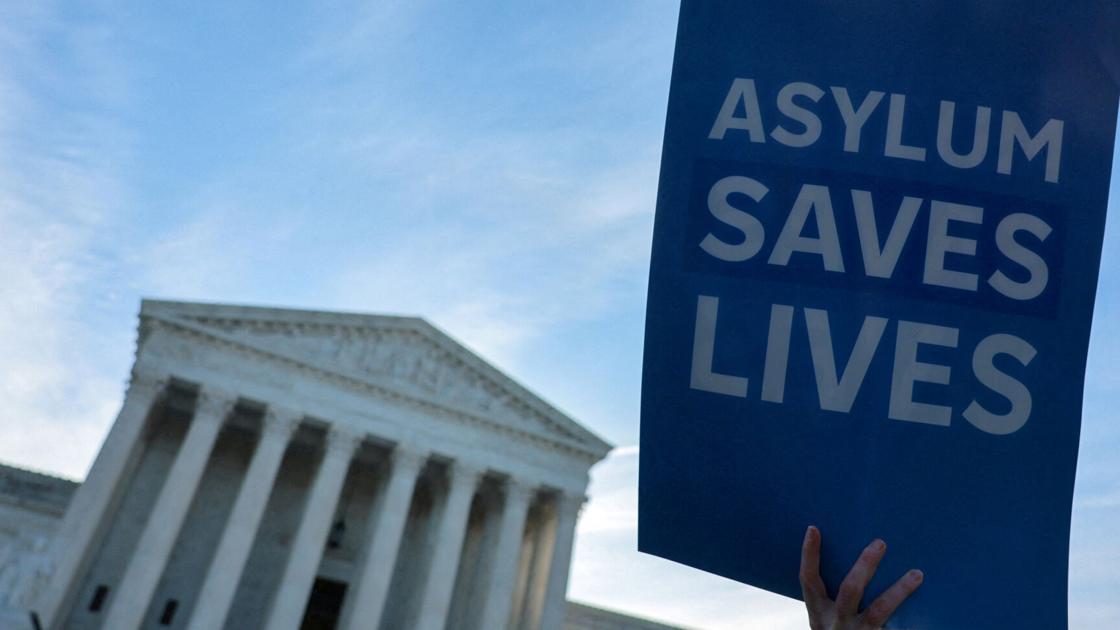
The U.S. Supreme Court, with a 6-3 conservative majority, has largely supported President Donald Trump's immigration policies, facilitating deportations and restricting entry for both legal and illegal immigrants. The court's decisions this week have favored the administration, making it easier to deport individuals with Temporary Protected Status and lawful permanent residents. These rulings align with Trump's agenda of tightening immigration controls and border security.
In a 6-3 decision, the court allowed the administration to revoke Temporary Protected Status for Haitian and Syrian immigrants, forcing them to choose between staying in the U.S. or returning to unsafe conditions in their home countries. The court also upheld the government's authority to block asylum seekers at the U.S.-Mexico border and made it easier to deny reentry to green-card holders who have committed crimes.
The court's decisions have been criticized by immigration advocates, who argue that they undermine the rights of immigrant communities and contribute to a harsh enforcement approach. Despite some pushback from lower courts and challenges to Trump's policies, the Supreme Court has largely supported the administration's efforts to restrict immigration and enhance border security.
The court's conservative supermajority, established in 2020 with Justice Amy Coney Barrett's appointment, has been instrumental in shaping immigration rulings. While the court has occasionally ruled against Trump's immigration initiatives, such as blocking the end of the DACA program, its overall trend has been to uphold the administration's policies.
As the court nears the end of its current term, a major case involving Trump's executive order to deny birthright citizenship to certain individuals born in the U.S. is pending. The court's decision on this issue could have significant implications for immigration policy and constitutional interpretation. Stay tuned for updates on this important case.