Supreme Court Tensions: Justices Clash Over Asylum Seekers and More
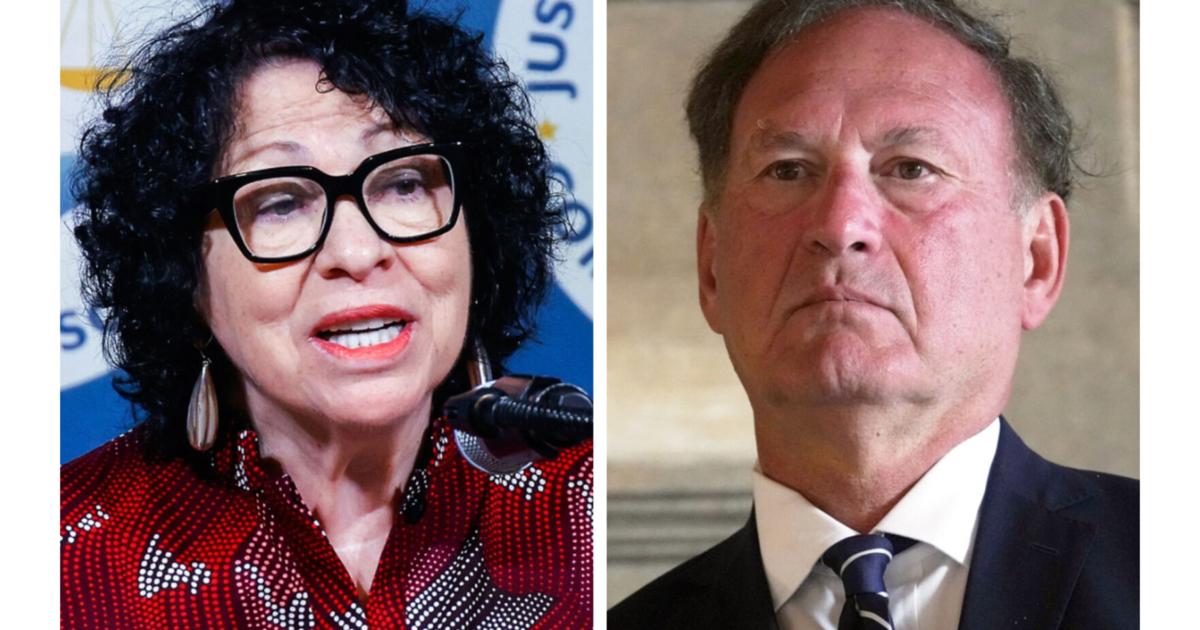
The Supreme Court is currently delivering significant opinions at a rapid pace, with tensions emerging among the justices. During a recent session, Justice Sonia Sotomayor delivered a passionate dissent following Justice Samuel Alito's reading of a ruling on asylum seekers at the southern border. Sotomayor highlighted the plight of asylum seekers and referenced a tragic event from history to emphasize the potential consequences of the majority's decision. The exchange between the justices was notable for its intensity and divergence from the usual decorum of the court.
The case in question focused on the ability of border officials to delay asylum seekers' entry into the U.S. for processing. Alito defended the majority opinion by pointing out the continuity of the policy under different administrations. Sotomayor's spoken dissent caught Alito off guard, prompting him to respond impromptu, expressing surprise at her intervention and defending his position on the matter.
The exchange between Sotomayor and Alito is a rare occurrence in the Supreme Court, where dissenting justices can voice their objections but typically do so sparingly. The upcoming release of opinions on key issues, including birthright citizenship and presidential powers, adds to the anticipation surrounding the court's decisions. The tensions among the justices reflect the high stakes involved in these cases and the differing perspectives within the court.
As the Supreme Court continues to navigate contentious issues and deliver important rulings, the dynamics among the justices remain under scrutiny. The recent exchange between Sotomayor and Alito underscores the divergent views within the court and the potential impact of these decisions on national policies and practices. The upcoming opinions are expected to shed further light on the court's stance on critical issues, shaping the legal landscape for years to come.