Charismatic Cults and American Politics: The Case of Tulsi Gabbard and the Science of Identity Foundation
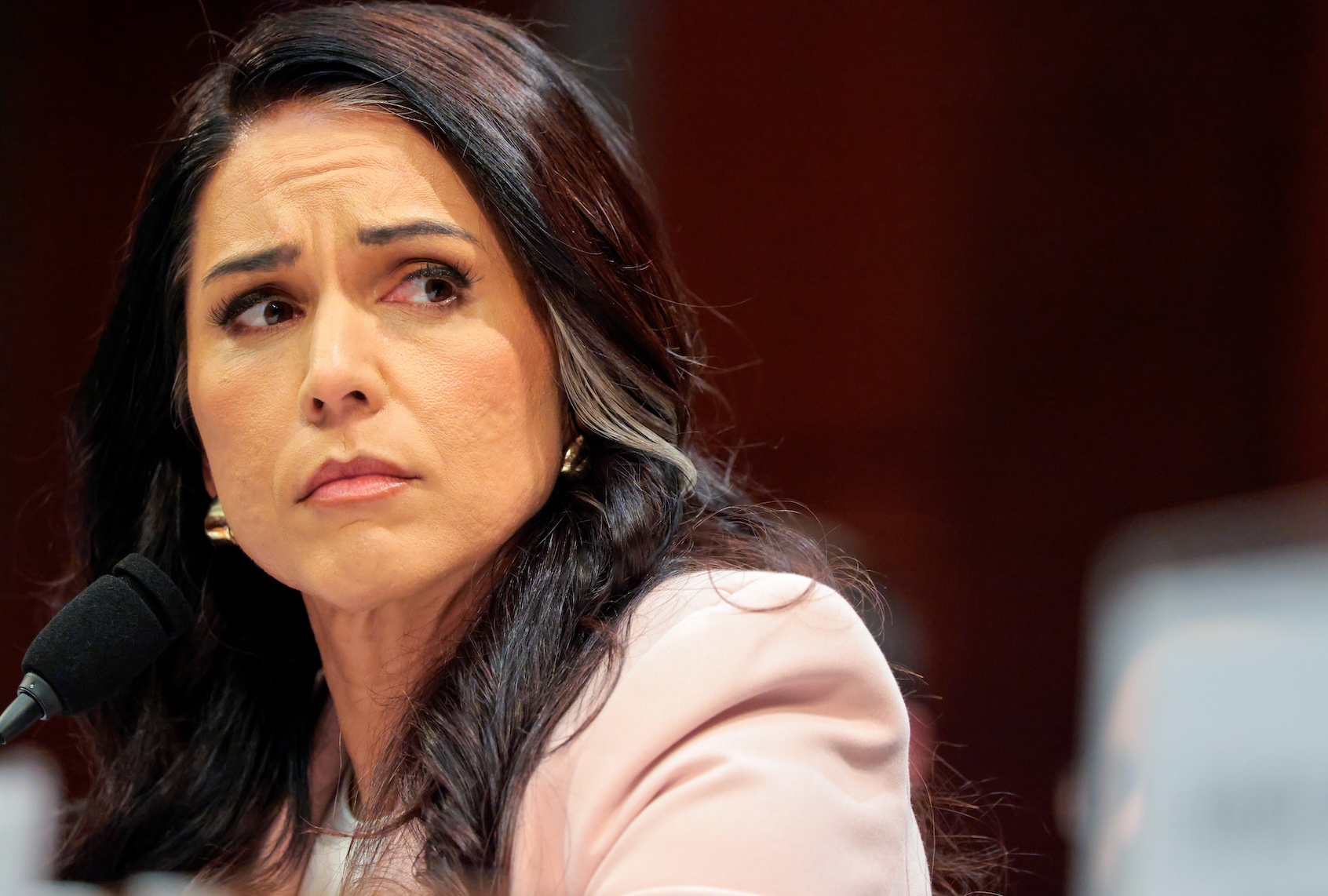
Cults have a long history in America, with the country's commitment to religious freedom allowing charismatic leaders to form followings without government interference. The latest revelations about Tulsi Gabbard's involvement in a "breakaway Hare Krishna group" highlight the influence of cults in American politics.
While some religions that were once considered cults have grown into mainstream faiths, there are still thousands of cults in the U.S., often led by con artists and characterized by dominance and control over followers. Cult leaders like Rev. Sun Myung Moon have even ventured into political propaganda, seeking power beyond their immediate following.
Tulsi Gabbard's affiliation with the Science of Identity Foundation (SIF) led by Chris Butler has raised questions about her political ideology and motivations. Gabbard's shifting political stances, from conservative to progressive Democrat to MAGA supporter, have been influenced by Butler's directives, as revealed by investigative reporting.
The characteristics of a cult, such as a charismatic leader, total loyalty demands, and an "us vs. them" mentality, align with Gabbard's association with Butler's group. However, the influence of larger cult-like movements, such as the MAGA following, extends beyond individual cults, shaping political landscapes on a broader scale.
While Gabbard's ties to a cult have impacted her political trajectory, the pervasive influence of cult-like dynamics in American politics, exemplified by movements like MAGA, underscores the enduring presence of charismatic leaders and their followers in shaping the country's political landscape.