Supreme Court Case: Inmate's Lawsuit Against Nurse for Medical Neglect in Federal Prison Riot
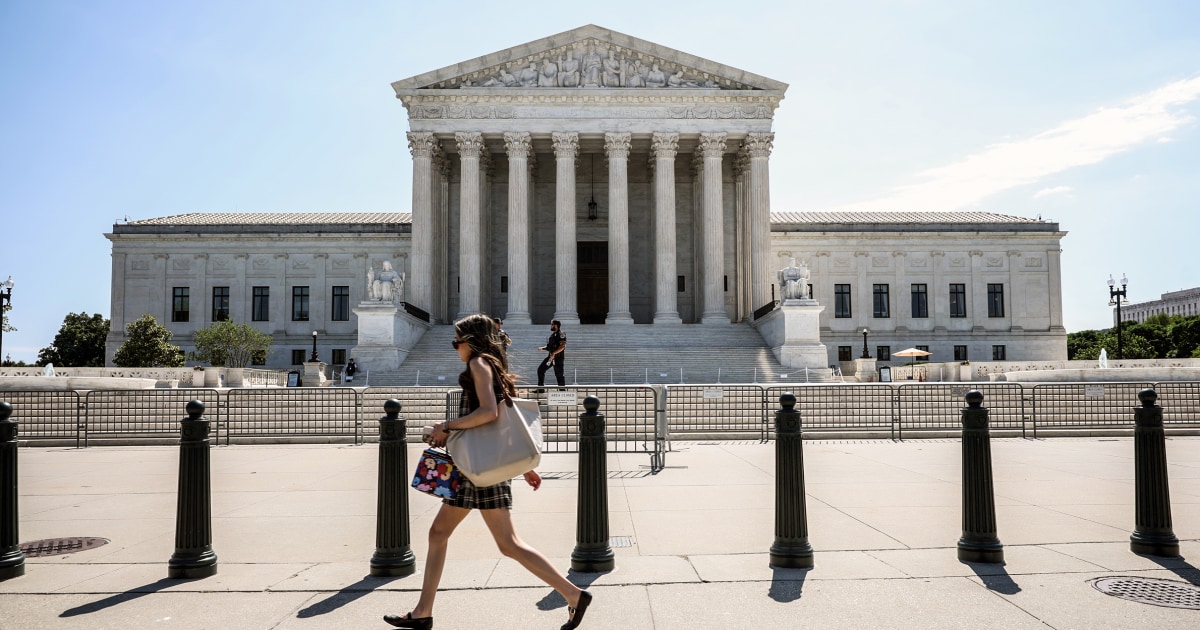
The Supreme Court has agreed to hear a case involving a prison inmate suing a nurse for allegedly failing to provide medical assistance after a riot at a federal prison in Honolulu. The inmate, Kekai Watanabe, claims he was denied proper medical treatment following the riot in July 2021. The case revolves around the interpretation of a 1980 Supreme Court ruling, Carlson v. Green, which allows federal prison inmates to sue officials for deliberate indifference to their medical needs under the 8th Amendment of the Constitution, which prohibits cruel and unusual punishment.
Watanabe alleges that he requested to be taken to the hospital after experiencing pain, but the nurse, Francis Nielsen, only provided over-the-counter pain medication. Subsequently, Watanabe was diagnosed with a fractured coccyx and bone chips embedded in surrounding soft tissue, leading him to file a lawsuit claiming his 8th Amendment rights were violated. While a federal court initially dismissed Watanabe's lawsuit, the 9th U.S. Circuit Court of Appeals in San Francisco reinstated it in a ruling from September 2024.
The key issue in this case is whether the Supreme Court believes the 1980 Carlson v. Green precedent can be broadly applied to similar situations. This ruling expanded on the Bivens v. Six Unknown Named Agents decision from nine years earlier, which established the right to sue federal officials for constitutional violations. However, the Supreme Court has been hesitant to allow such "Bivens claims" in recent years, as seen in a 2022 decision that prevented Border Patrol agents from being sued. Lower courts have frequently cited this ruling in various cases against federal officials, resulting in the dismissal of many constitutional claims.
In conclusion, the Supreme Court's decision in this case could have significant implications for the ability of individuals to hold federal officers accountable for constitutional violations. The outcome will clarify the extent to which federal inmates can seek legal recourse for alleged deliberate indifference to their medical needs, setting a precedent for future cases involving similar claims.