Remembering Through Art: The Story of the AIDS Memorial Quilt
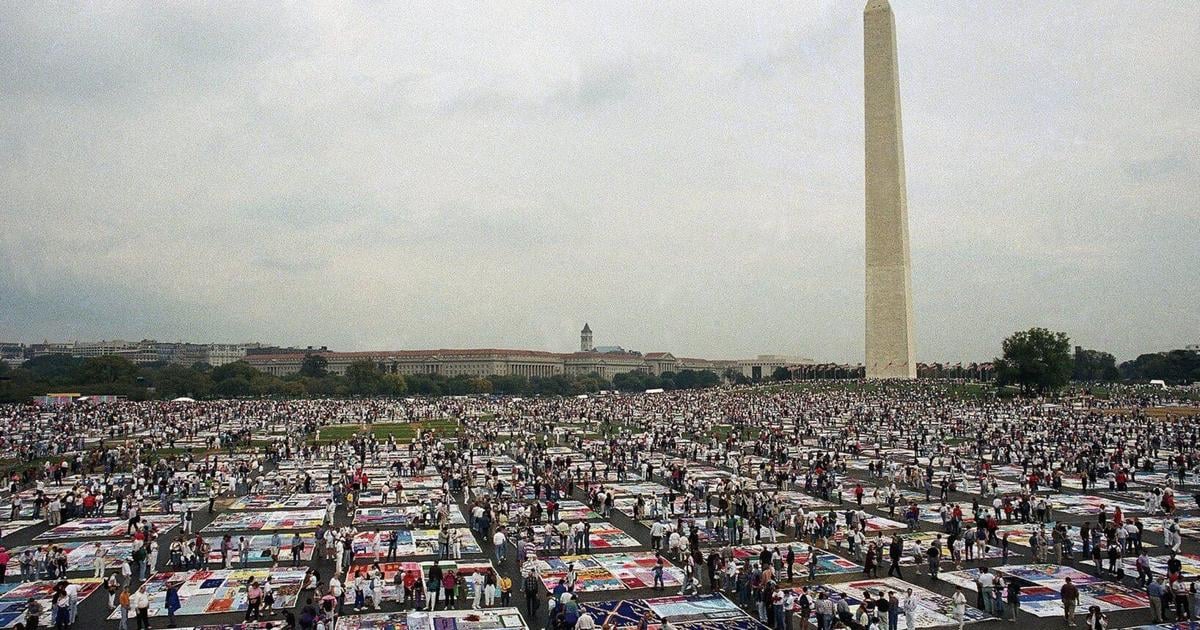
The AIDS Memorial Quilt is a massive communal art project that weighs over 50 tons and is recognized by the Library of Congress as the largest of its kind globally. This quilt was created as a tribute to those who lost their lives to the AIDS epidemic, a crisis that was initially met with fear and neglect by the government and society. In the early days of the epidemic, there was a significant stigma and misunderstanding surrounding the groups most affected, including men who had sex with men, Haitians, and individuals with hemophilia.
The quilt is made up of individual panels, each representing a person who died from AIDS-related complications. These panels are created by friends, family members, and loved ones of the deceased, serving as a powerful memorial to those who succumbed to the disease. The quilt serves as a poignant reminder of the human toll of the AIDS epidemic and the need for compassion and understanding in the face of such a devastating crisis.
Displayed on the National Mall in Washington, D.C., the AIDS Memorial Quilt has been viewed by thousands of people, drawing attention to the lives lost and the ongoing impact of the epidemic. The quilt continues to grow as new panels are added, ensuring that the memory of those who died from AIDS-related illnesses is preserved and honored. The AIDS Memorial Quilt stands as a testament to the resilience and strength of the community affected by the epidemic, as well as a call to action to address the ongoing challenges of HIV/AIDS.
In conclusion, the AIDS Memorial Quilt is a powerful symbol of remembrance and solidarity, honoring the lives lost to the AIDS epidemic and advocating for compassion and understanding in the face of adversity. This communal art project serves as a testament to the resilience of those affected by HIV/AIDS and the importance of coming together to support and remember those who have passed away.