Remembering Alan Greenspan: A Legacy of Economic Influence and Controversy
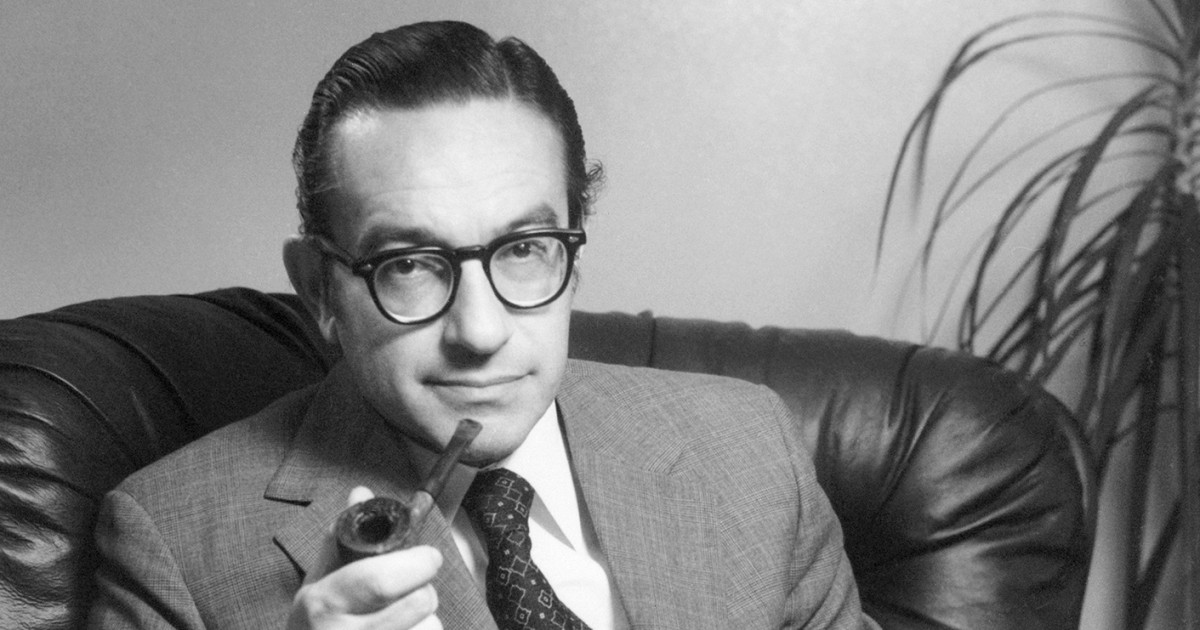
Alan Greenspan, a prominent economist who led the U.S. monetary policy for five terms as chairman of the Federal Reserve under four presidents, passed away at the age of 100. He played a significant role in shaping American capitalism from the late Cold War era to the digital age. Greenspan's tenure at the Fed coincided with one of the longest economic expansions in U.S. history, but he faced criticism for advocating financial sector deregulation, which some believe contributed to the 2007-08 global financial crisis.
Survived by his wife, Andrea Mitchell, a prominent NBC News correspondent, Greenspan was remembered for his contributions to the U.S. economy and his honesty in acknowledging his mistakes. He was known for his passion for baseball, the Washington Commanders, tennis, golf, and jazz music. Greenspan's early life in New York City showcased his mathematical talent, and he later pursued economics, studying at New York University and Columbia University under economist Arthur F. Burns.
In the 1950s, Greenspan associated with Ayn Rand, adopting some of her objectivist philosophy. He later founded an economic consulting firm and advised on Richard Nixon's presidential campaign. Greenspan served as chairman of the Council of Economic Advisers under President Gerald Ford and returned to government service as chairman of the Federal Reserve under President Ronald Reagan. He navigated the economy through various challenges, including the 1987 stock market crash and the dotcom bubble burst.
Greenspan's tenure at the Fed was marked by economic growth and stability, but he faced scrutiny for his role in the 2007-08 financial crisis. Critics pointed to his failure to address the housing bubble and his support for financial industry deregulation as contributing factors to the meltdown. Despite his warnings about "irrational exuberance," Greenspan's policies were seen as inadequate in preventing the crisis.
After retiring from the Fed in 2006, Greenspan continued his work as a consultant and author. He shared insights about the presidents he worked with in his memoir and interviews, offering perspectives on their leadership styles. Greenspan's legacy in shaping U.S. economic policy and his impact on the financial sector will be remembered in the years to come.