Optimizing Fat Intake: The Role of Healthy Fats in a Balanced Diet
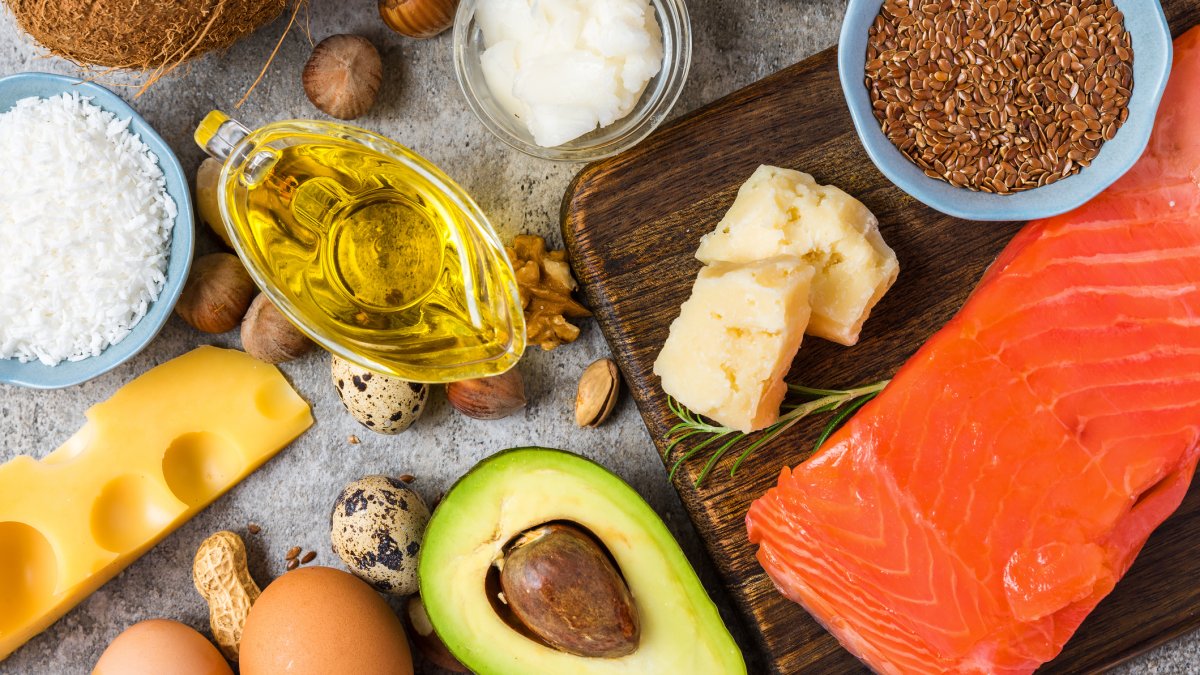
In the past, fat-free and low-fat foods were popular choices for those looking to lose weight and maintain a healthy diet. However, recent research has shifted the focus towards the negative impact of refined carbs, sugar, and ultraprocessed foods on obesity risk. The latest Dietary Guidelines for Americans now recommend incorporating healthy fats into meals and consuming full-fat dairy without added sugars. Fat is an essential nutrient that plays various crucial roles in the body, such as aiding in the absorption of fat-soluble vitamins, supporting hormone production, providing long-lasting energy, and promoting satiety after meals. It is important to choose the right types of fats, such as unsaturated fats from sources like nuts, seeds, avocados, olive oil, and fatty fish, which are beneficial for heart health.
Registered dietitians emphasize the importance of paying attention to portion sizes when consuming fat, as it is calorie-dense. While it is recommended to spread fat intake throughout the day, incorporating fat into breakfast can help increase satiety and prevent cravings later in the day. However, overloading on fat in one meal can lead to bloating, discomfort, and digestive issues, especially for individuals with conditions like Crohn’s disease or colitis. Spacing out fat intake throughout the day can help control hunger and stabilize blood sugar levels after meals.
Plant-forward dietitians recommend incorporating sources of healthy fats like nuts, seeds, avocados, and olive oil into meals for their nutritional benefits. Adding chia seeds, hemp seeds, or ground flaxseeds to breakfast dishes, including avocado in lunch options, and using olive oil in dinner recipes are some ways to include healthy fats in the diet. Snacks like apple slices with peanut butter can provide a combination of healthy fats, fiber, and carbohydrates for sustained energy and satisfaction. Consuming large, high-fat meals late at night can slow digestion and potentially lead to discomfort, indigestion, acid reflux, or disrupted sleep, particularly if lying down shortly after eating.
Research suggests that consuming a high-fat meal late at night can disrupt the body's internal clock and increase inflammation. While it is acceptable to include healthy fats in evening snacks or meals, it is advisable to avoid heavy, high-fat foods like fried dishes close to bedtime. Understanding the timing of nutrient intake, including protein and fiber, can further optimize dietary choices for overall health and well-being.