State Initiatives in AI Regulation: Navigating the Patchwork of Laws Across the United States
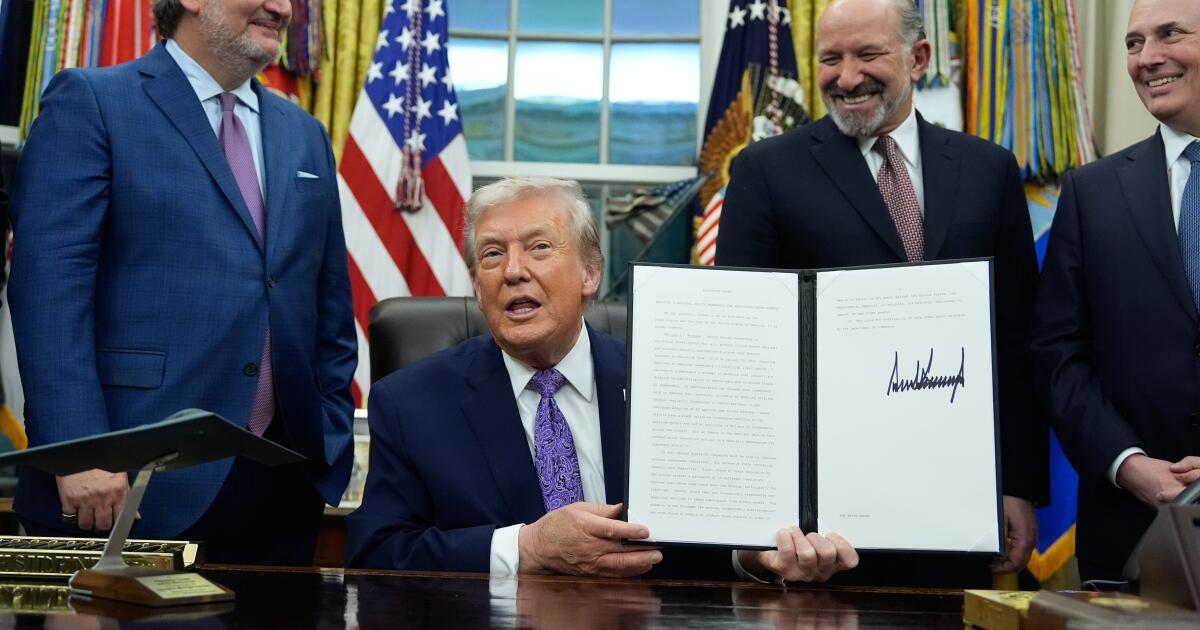
States across the United States are taking the initiative to regulate artificial intelligence (AI) as federal regulations remain stalled. State lawmakers are focusing on specific aspects of AI, such as how chatbots interact with children and the accountability of developers to prevent AI-related disasters. President Trump's attempt to limit state regulations on AI has faced criticism from various groups concerned about the lack of oversight for AI giants.
Despite Trump's executive order discouraging state regulations on AI, states are introducing more bills this year, including Illinois, which requires AI developers to have independent auditors review their compliance with policies. This move signals a shift towards holding developers accountable for their AI products. States like California and New York have already passed laws requiring developers to create protocols to prevent AI systems from causing catastrophic events.
States are also imposing restrictions on AI chatbots, especially in interactions with children. Laws in various states require companies to disclose when AI is being used, restrict chatbot interactions with minors, and ensure data privacy. Connecticut, for example, enacted provisions for chatbots that interact with individuals under 18, emphasizing the prevention of self-destructive behavior and parental control over usage.
In Colorado, companies deploying AI systems in critical areas must disclose their use of AI to influence decisions. This legislation aims to address the bias inherent in AI systems that impact decisions related to employment, education, housing, and banking. States like Connecticut, Washington, and Utah are also requiring AI developers to embed data in digital content to indicate if it has been created or altered by AI.
While some states are advancing AI regulations, others face challenges. Florida's proposed AI legislation, including provisions for parental control over chatbot access, did not progress in the state House. Utah's legislation modeled after New York and California laws faced opposition after a warning from the White House. Despite these obstacles, states are continuing to explore AI regulations to protect consumers and ensure transparency in AI usage.
In conclusion, states are taking the lead in regulating AI as federal regulations lag behind. The focus is on ensuring accountability for AI developers, protecting consumer privacy, and addressing bias in AI systems. With more states introducing AI legislation, the landscape of AI regulation in the United States is evolving to meet the challenges posed by advancing technology.