Media Power Play: Fox's Acquisition of Roku and Ellison's Bid to Merge Paramount with Warner Bros. Discovery
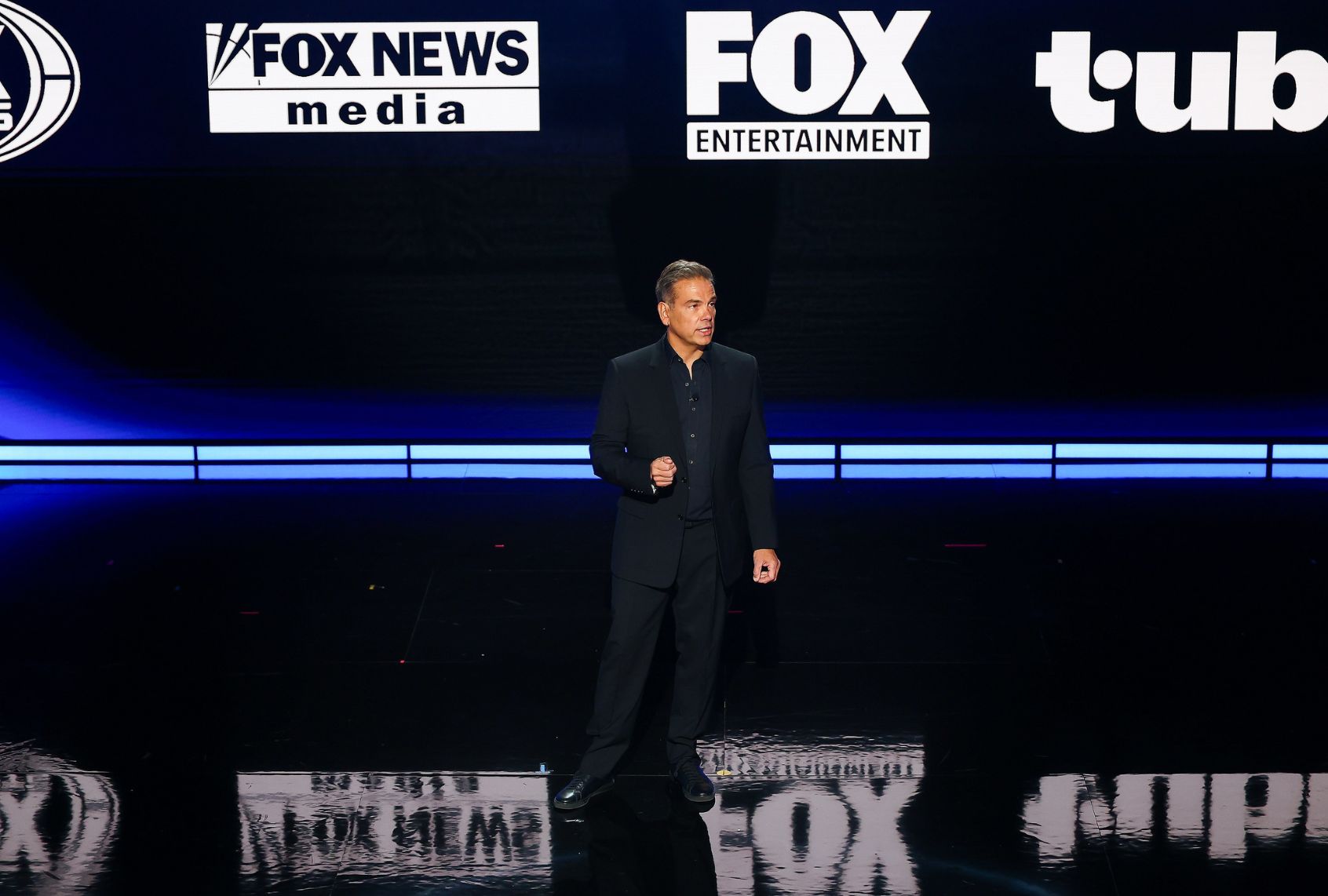
Two major deals in the American media landscape have recently shifted the balance of power in the industry. Fox Corporation's acquisition of Roku for $22 billion and David Ellison's $111 billion bid to merge Paramount with Warner Bros. Discovery have consolidated control over how Americans access and consume content. These deals mark a significant shift towards corporate dominance in the media landscape, with implications for the democratic discourse in the country.
The focus of the media industry has shifted from content to control over distribution and consumption. While major players like Disney and Warner Bros. Discovery have invested heavily in streaming services, Fox has taken a different approach by acquiring Roku, a popular connected-TV platform. This move allows Fox to combine its news, sports, and advertising businesses with Roku's platform, creating a powerful player in the television business.
Roku's role in the deal goes beyond hardware sales. The company operates as an advertising platform that controls the interface between viewers and content providers. By leveraging first-party data on viewer behavior, Roku can curate and optimize content recommendations and advertising. With Fox's ownership of Tubi and now Roku's operating system, the company has significant control over the discovery and promotion of content on the platform.
The decline of traditional cable TV has paved the way for new forms of media control. As cord-cutting becomes more prevalent, companies like Fox and Roku are positioning themselves as gatekeepers of content discovery. This shift in control has implications for the diversity and independence of media outlets, as fewer players dominate the distribution landscape.
The Justice Department's approval of David Ellison's bid to merge Paramount with Warner Bros. Discovery has raised concerns about media consolidation. Ellison's control over CBS News and CNN gives him significant influence over news content across major networks. The cozy relationship between media elites and political figures raises questions about the independence and integrity of news organizations under consolidated ownership.
The increasing consolidation of media ownership by billionaires like Ellison and the Murdochs raises concerns about the diversity of voices in the media landscape. With control over distribution and content production, these billionaires have the power to shape the narrative and control the message. The concentration of power in the hands of a few wealthy individuals threatens the independence and integrity of the media industry.
In conclusion, the recent deals in the American media industry highlight the growing influence of corporate interests and billionaires in shaping the future of media consumption. The control over distribution and content production by companies like Fox and Paramount raises concerns about the diversity of voices and the independence of news organizations. As media ownership becomes increasingly concentrated in the hands of a few powerful individuals, the need for a diverse and independent media landscape becomes more critical than ever.