Sargassum Invasion: The Impact of Seaweed on Florida's Beaches
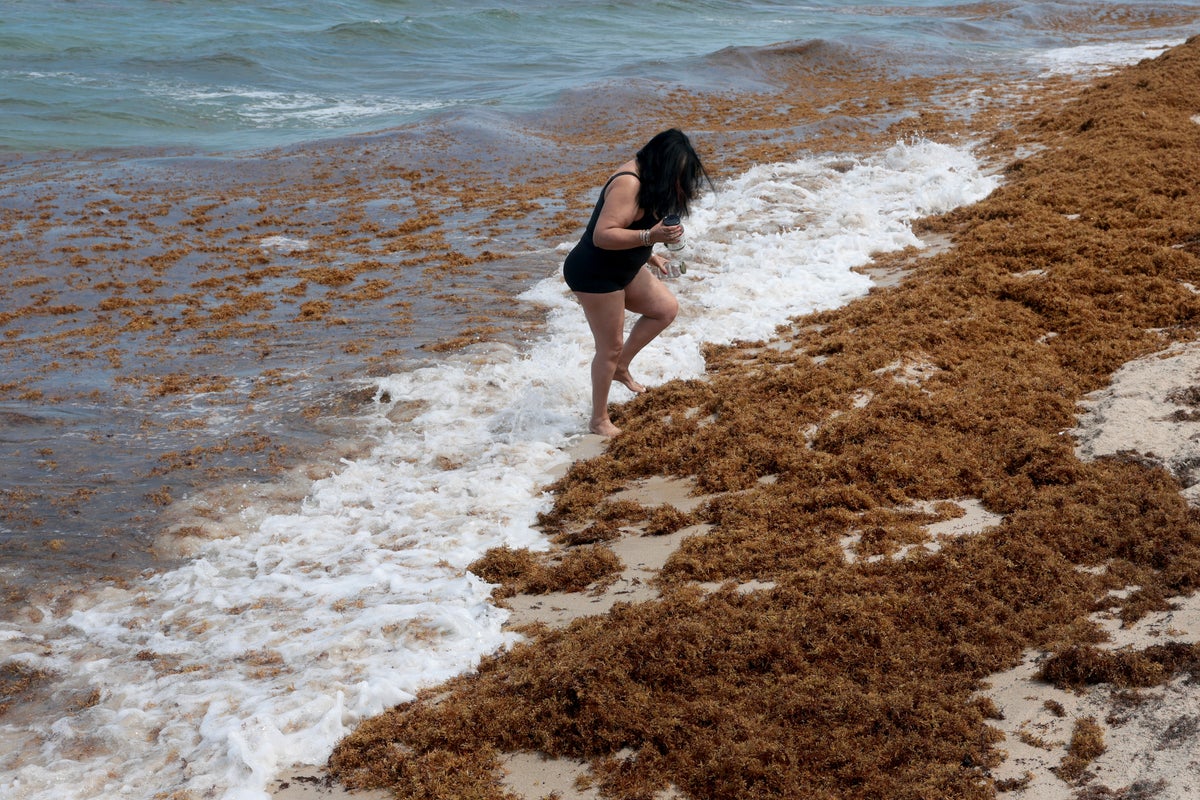
Florida's beaches are currently being covered by smelly seaweed known as sargassum, which has been accumulating in large quantities along the Atlantic and Gulf coasts. Researchers from the University of South Florida have reported record-high amounts of this seaweed washing up on beaches in Florida, the Florida Keys, and the Caribbean islands. The situation is expected to worsen in Louisiana and Texas, with a prediction of a significant sargassum year in 2026.
Tourists and visitors to Florida have expressed surprise at the massive amounts of seaweed on the beaches this year. The foul smell of sargassum, resembling rotten eggs, is caused by the emission of hydrogen sulfide as the seaweed decomposes. While the seaweed itself is not harmful to the skin, the small creatures living in it can cause skin rashes and blisters. People with respiratory issues like asthma are advised to be cautious as the hydrogen sulfide can irritate their eyes, noses, and throats.
The Great Atlantic Sargassum Belt, a large bloom in the Atlantic Ocean spanning 5,000 miles, is responsible for the influx of sargassum on beaches. This phenomenon is driven by strong ocean currents, nutrient levels, and wind patterns. Despite the unpleasant odor and potential health risks, sargassum plays a vital role in maintaining the resilience of Florida's shorelines by providing essential nutrients and aiding in the restoration of areas affected by erosion from hurricanes and storms.
In conclusion, the prevalence of sargassum on Florida's beaches is a growing concern, with researchers predicting a significant increase in seaweed accumulation in the coming years. While the seaweed serves a beneficial purpose in shoreline restoration, beachgoers are advised to exercise caution and avoid direct contact with sargassum to prevent potential health issues.