Building a Stronger Democracy: The Urgency of Civic Education in the United States
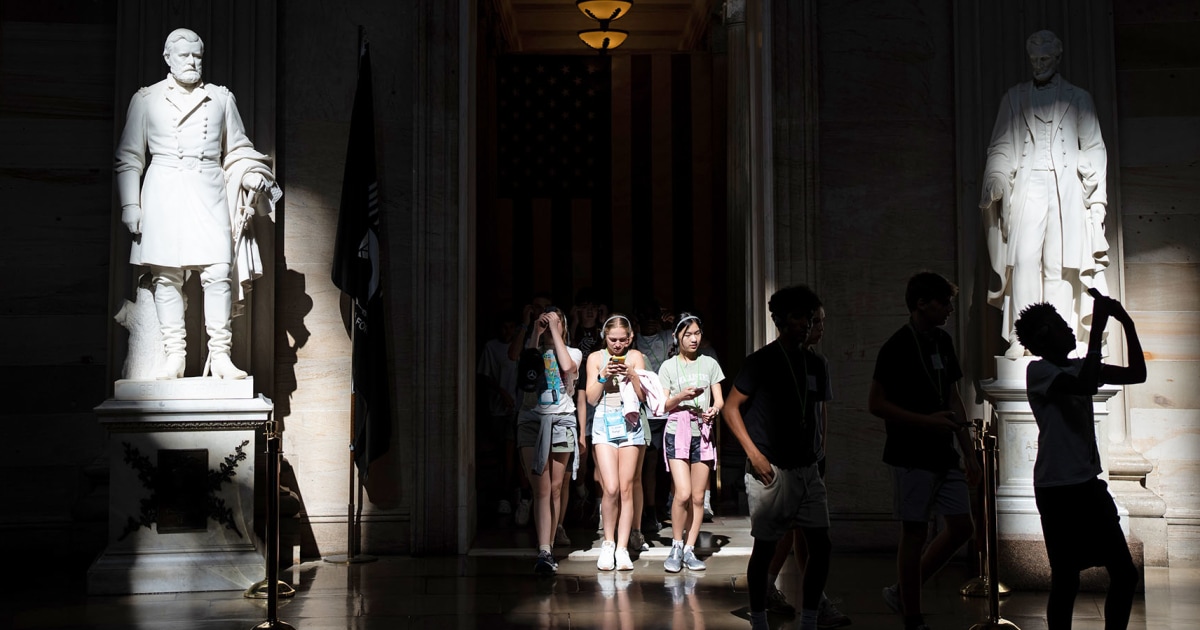
The importance of civic education in the United States is a topic that resonates with many Americans today. A recent national poll conducted by NBC News in partnership with More Perfect, a nonpartisan nonprofit organization, revealed that a significant majority of Americans feel that the country does not place enough emphasis on teaching government and democracy. This sentiment was shared across different ideological and generational groups, highlighting a widespread belief that civic education is lacking in the nation.
The survey of 3,000 adults nationwide found that 80% of respondents believe that the United States needs to prioritize civic education more, with a majority stating that the current focus on this subject is insufficient. Interestingly, even those who closely follow public affairs expressed strong dissatisfaction with the level of civic education in the country. This sentiment was echoed by Americans of all ages, indicating a broad consensus on the need for improved civic education.
Despite the call for enhanced civic education, the poll also revealed a general lack of confidence in various institutions, including Congress, the federal government, and the national news media. However, there was a slightly higher level of confidence in colleges and universities, as well as public schools. This mixed perception of institutional trust underscores the complex relationship between Americans and the institutions that shape their society.
Another key finding of the poll was the divided opinion on the balance of power between the executive branch and other branches of government. While some Americans believe that strong executive leadership is necessary to address challenges directly, an equal number view this concentration of power as dangerous. This debate reflects a longstanding tension in American democracy regarding the role of executive authority in governance.
Despite these challenges, the poll results also highlighted a sense of optimism among Americans regarding their shared values and priorities. A majority of respondents believe that they hold core values in common with their fellow citizens and share similar aspirations for their individual lives. This sense of unity and common purpose offers a glimmer of hope amidst the broader concerns about civic education and institutional trust.
In conclusion, the findings of the NBC News poll underscore the ongoing importance of civic education in shaping informed and engaged citizens. While there are divisions and challenges in American society, there is also a shared belief in the fundamental values that bind the nation together. By addressing the gaps in civic education and fostering a deeper understanding of democratic principles, Americans can work towards a more inclusive and participatory democracy for the future.