Vice President JD Vance's Trip Delayed: Impact on Iran Nuclear Deal Negotiations
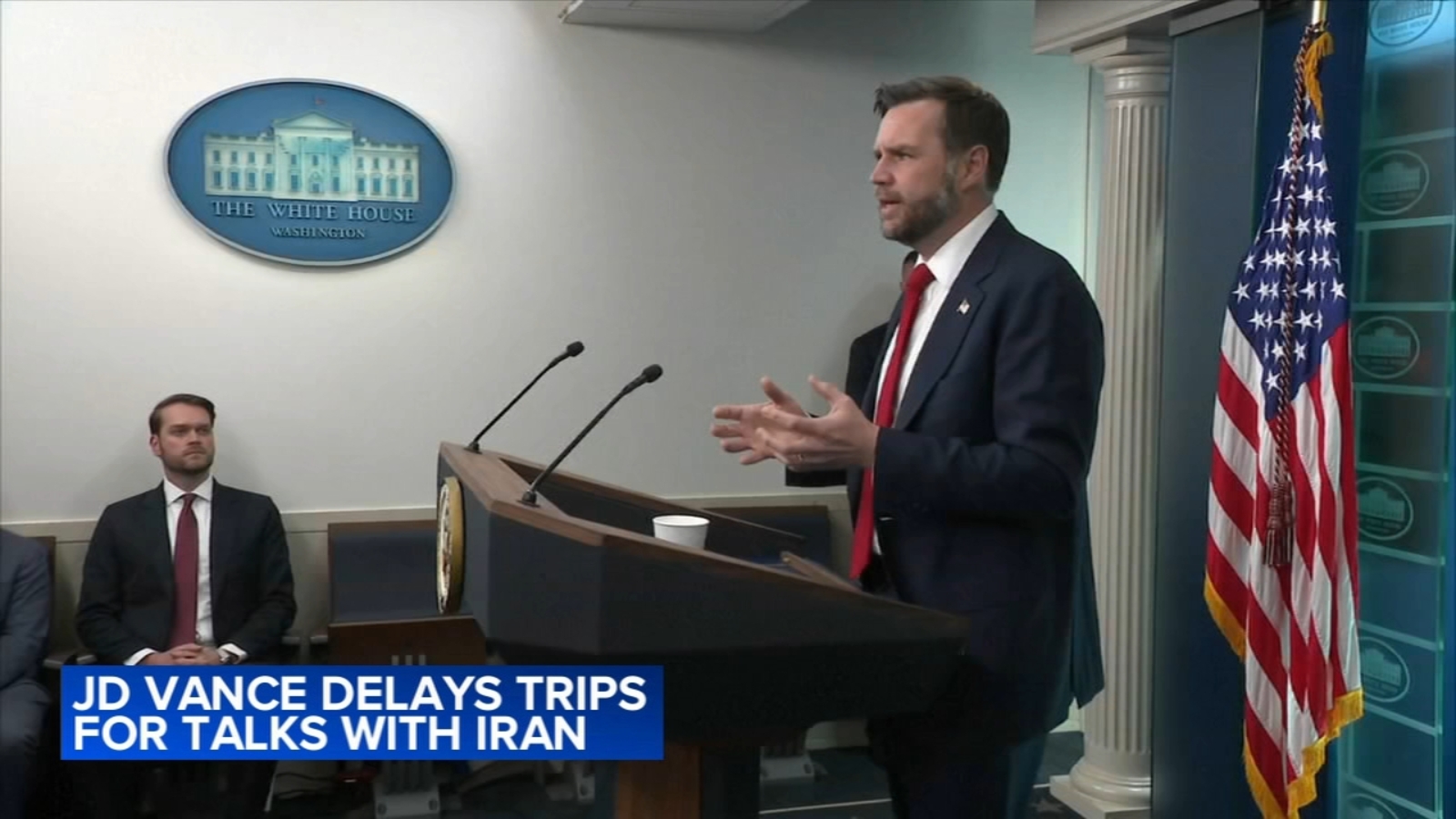
The White House announced that Vice President JD Vance's trip to Switzerland for negotiations with Iran over its nuclear program has been delayed due to logistical challenges. The delay raises questions about the future of the agreement to end the war. Vance, who has become the administration's face of the conflict, defended the deal, emphasizing the need for Iran to comply with U.S. demands to receive economic relief.
The postponement of Vance's trip came after reports that Iran was delaying sending its delegation to Switzerland due to Israel's military campaign in Lebanon. The U.S. recently lifted its blockade, allowing oil tankers to move through the Strait of Hormuz. However, the tentative agreement has faced criticism for potentially conceding too much to Iran. A top Trump administration envoy informed lawmakers that Iran will invite the U.N.'s nuclear watchdog agency to inspect its nuclear sites.
The agreement requires Iran to dilute its highly enriched uranium under international supervision and commit to renouncing nuclear weapons. Vance's trip to Switzerland was delayed, and Pakistani Prime Minister Shehbaz Sharif also postponed a visit related to the agreement. President Trump signed the initial pact with Iran, extending the ceasefire for 60 days to negotiate broader agreements. Vance defended the deal and issued a warning to Israel for complicating peace efforts with Iran.
Following the agreement, shipping through the Strait of Hormuz has started to normalize, with major shipowners moving vessels through the strait. The U.S. easing its blockade is seen as honoring its part of the agreement. American warships will monitor compliance with the agreement. While the shipping situation is improving, it may take time to fully reopen the strait, and alternative routes have limited capacity compared to the central passage.