Analysis of Controversial U.S.-Iran Memorandum of Understanding and Political Reactions
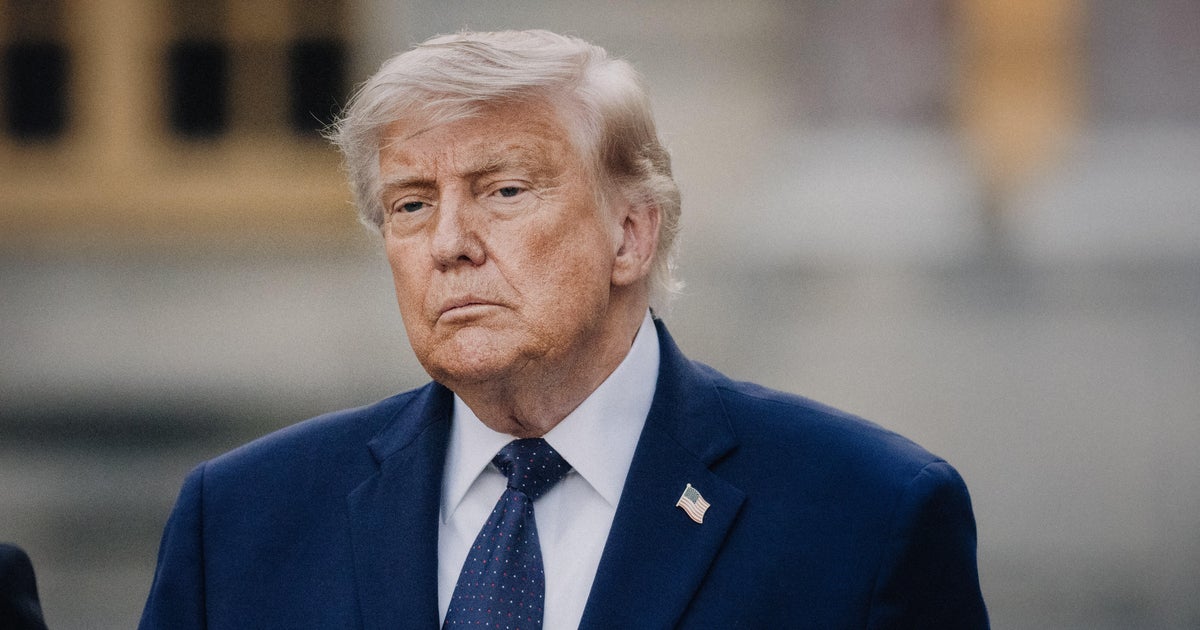
President Trump criticized those who oppose the U.S.-Iran memorandum of understanding, calling them jealous, bad people, or stupid. Several Republican lawmakers, including Sen. Bill Cassidy, strongly criticized the deal, with Cassidy labeling it as the worst foreign policy blunder in decades. Trump-endorsed candidates Julia Letlow and John Fleming, who defeated Cassidy in the primary race, are now facing a runoff.
Senator Ted Cruz also criticized the Iran deal, expressing concerns about giving billions of dollars to theocratic lunatics who may use the funds to harm Americans. Senator Lindsey Graham, a Trump ally, cautiously endorsed the deal after discussions with Trump's special envoy, Steve Witkoff. He believes that opening the Strait of Hormuz and ending hostilities with Iran could pave the way for peace beyond the Iranian conflict.
Senator Thom Tillis expressed the need for more details on the 14-point plan released on Wednesday, calling it inadequate. Senate Majority Leader John Thune expects the administration to brief senators on the Iran agreement early next week. Thune sees the deal as potentially beneficial for Americans in terms of economic relief if the strait reopens, but acknowledges that long-term issues remain unresolved.
Democratic senators, led by Minority Leader Chuck Schumer and Senator Richard Blumenthal, have strongly criticized the deal, viewing it as a significant setback for the U.S. Schumer believes that Iran has gained the upper hand in the negotiations, leading to a situation where the U.S. appears to have unconditionally surrendered. The opposition to the deal is bipartisan, with concerns raised about the potential negative consequences for the U.S. and its interests.