U.S. to Lift Sanctions on Iran: 14-Point Agreement Overview
The United States is set to lift sanctions on Iran and release frozen funds and assets tied to the Iranian regime, as outlined in a 14-point memorandum of understanding shared by a senior U.S. official. The agreement aims to end the U.S.-Israeli conflict with Iran, which started on February 28, causing turmoil in the Middle East and impacting the global economy. Both parties will engage in further discussions for a comprehensive final deal within 60 days, with the possibility of extension by mutual agreement.
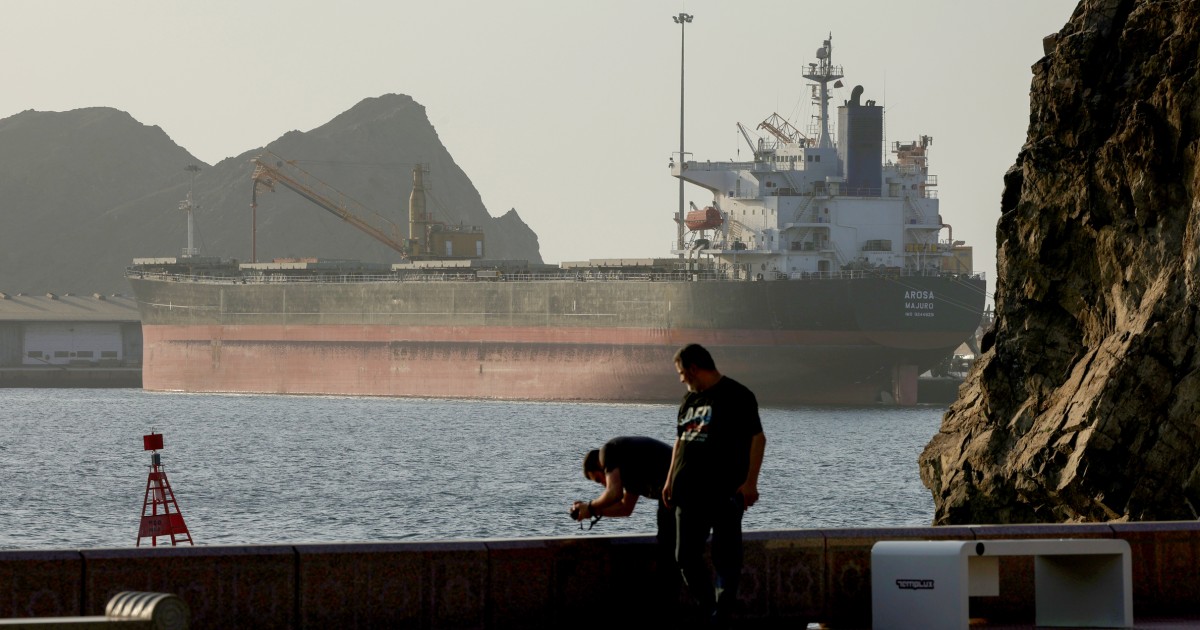
The memorandum specifies the reopening of the Strait of Hormuz, with Iran permitting the safe passage of commercial vessels without charge for 60 days, followed by negotiations with Oman to determine the future management of the crucial trade route. The U.S. will lift all sanctions, release frozen assets, and initiate the removal of its naval blockade on Iran's ports. Iran commits to not acquiring or developing nuclear weapons, with a mechanism to address its enriched material stockpile.
The U.S. official highlighted Iran's pledge to eliminate its enriched stockpile as a significant achievement for the U.S., linking sanctions relief to Iran's compliance with its nuclear commitments. The agreement includes a provision for the U.S. to collaborate with regional partners to devise a plan for distributing at least $300 billion to Iran for reconstruction and economic development, subject to negotiation during the 60-day period.
While the details of the U.S.-Iran agreement are still being finalized, world leaders at the G7 summit endorsed the deal as a historic opportunity to prevent Iran from obtaining nuclear weapons and address regional threats. President Trump will need to garner support from some skeptical Republican Party members for the agreement, emphasizing the importance of curbing Iran's nuclear ambitions. The primary goal of the conflict with Iran has been to prevent nuclear weapon proliferation, following Trump's withdrawal from the JCPOA agreement reached under the Obama administration.
The agreement also aims to halt all hostilities, including in Lebanon between Israel and Hezbollah, a Tehran-backed militia. Trump acknowledged the need for further efforts to achieve peace in Lebanon. Israel is not directly involved in the U.S.-Iran agreement, but Iran insists on Israel's withdrawal from southern Lebanon to end the conflict that has resulted in casualties and displacement since early March.