Supreme Court Decisions on Trump's Policies and Beyond: Birthright Citizenship, Federal Reserve, Immigration, and More
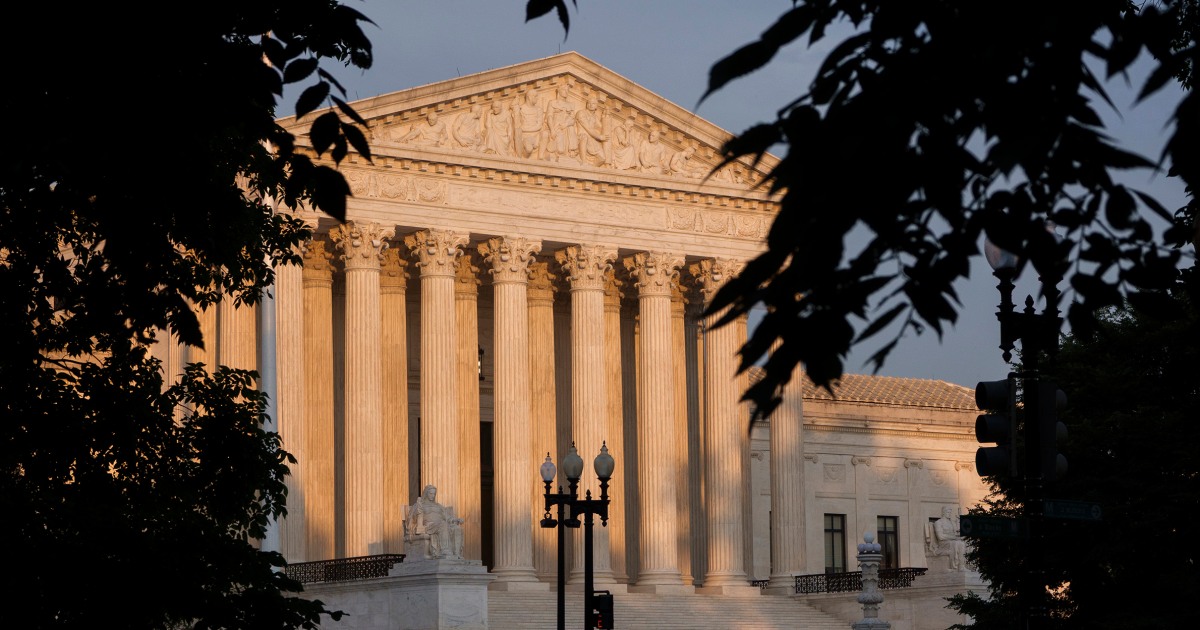
The Supreme Court is set to make decisions on a series of important cases involving President Donald Trump, including his efforts to limit birthright citizenship and dismiss a member of the Federal Reserve's Board of Governors. With a conservative majority of 6-3, the court has 20 cases remaining in its current term, with the next ruling day scheduled for Thursday. Trump faced a setback earlier this year when the court blocked his tariffs on global imports, leading to criticism from the president towards the justices involved.
Robert Luther III, a professor at Antonin Scalia Law School, noted that while Trump may face some losses, the court's direction aligns with the president's view of executive power. Trump's proposal to reinterpret birthright citizenship under the 14th Amendment has faced skepticism, with the court likely to rule against him. The president has expressed concerns about the court's potential decision on this matter, emphasizing the economic implications of birthright citizenship.
In addition to the birthright citizenship issue, the court is expected to rule against Trump's attempt to remove Lisa Cook from the Federal Reserve Board of Governors. Despite Trump's efforts to increase his influence over the Federal Reserve, the court seems inclined to uphold the independence of the agency. However, the court may support Trump's broader authority to dismiss members of independent agencies without providing a reason, as seen in the case of Rebecca Kelly Slaughter at the Federal Trade Commission.
The Supreme Court is also considering Trump's requests to revoke protections for Haitian and Syrian immigrants as part of the administration's immigration policy. The rulings in these cases will impact the administration's ability to end Temporary Protected Status for individuals from other countries. Additionally, the court will address immigration-related issues, such as the government's authority to deny asylum-seekers at the border.
Apart from Trump-related cases, the Supreme Court will decide on significant matters like state bans on transgender individuals in sports in West Virginia and Idaho, as well as cases concerning election law and gun rights. The court's decisions in these cases will have far-reaching implications beyond Trump's policies, shaping legal precedents on various contentious issues.