Remembering Europe's Majestic Major Oak: A Symbol of History and Loss
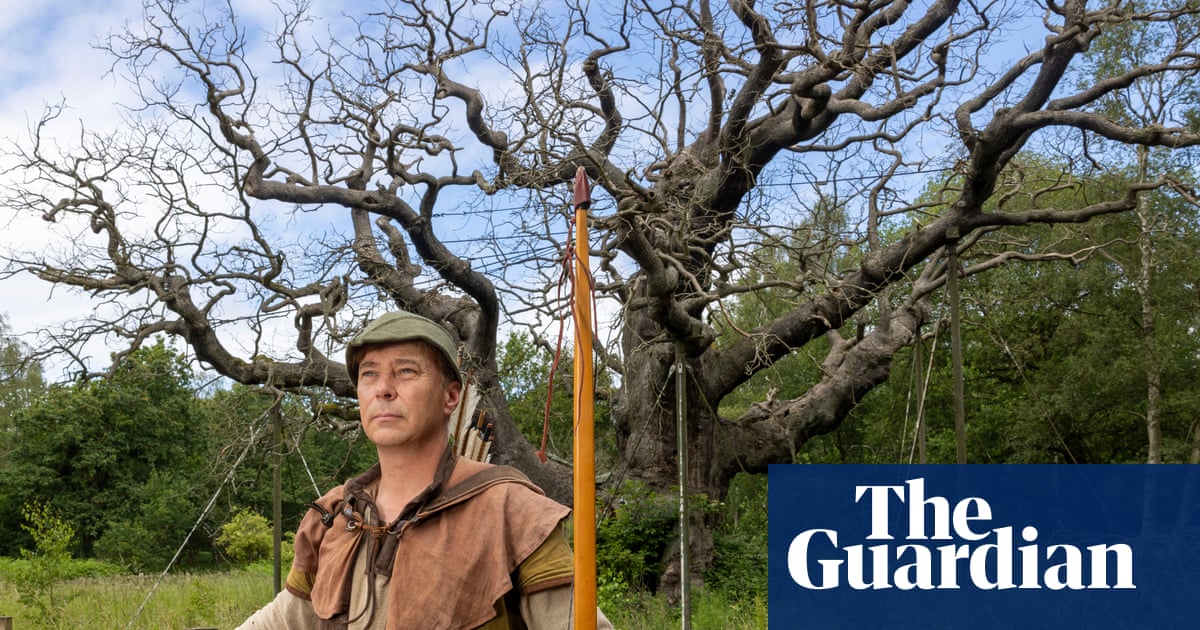
Europe's iconic Major oak, a symbol of history and legend, has sadly passed away after enduring the challenges of climate change and human impact. The ancient tree, located in Sherwood Forest, Nottinghamshire, failed to produce leaves this year, signaling its demise after over 1,000 years of existence. The oak, known for its massive size and rich folklore, including associations with Robin Hood, attracted thousands of visitors annually, who marveled at its grandeur and historical significance.
The tree's decline was attributed to a combination of factors, including the effects of global warming, particularly the intense heatwaves experienced in recent years. Despite efforts to preserve the oak, such as installing supports and filling hollow parts with concrete, its health continued to deteriorate. The tree's root system was found to be starved of nutrients and water, leading to its eventual demise.
While the Major oak may no longer bear leaves or show signs of life, it will be allowed to remain standing as a valuable habitat for wildlife. Its deadwood provides essential resources for various forest species, highlighting the importance of preserving ancient trees for ecosystem health. Conservationists emphasize the need for greater protection of such trees, as many others face similar threats without adequate safeguards in place.
The passing of the Major oak serves as a poignant reminder of the fragility of ancient trees and the urgent need to prioritize their conservation. As a cherished symbol of England's natural heritage, the oak's legacy will endure through the stories and memories it has inspired, urging us to appreciate and protect our ancient arboreal treasures for future generations.