Navigating the Political Landscape: Trump's Endorsements, Campaign Spending, and Candidate Platforms in the 2022 Primaries
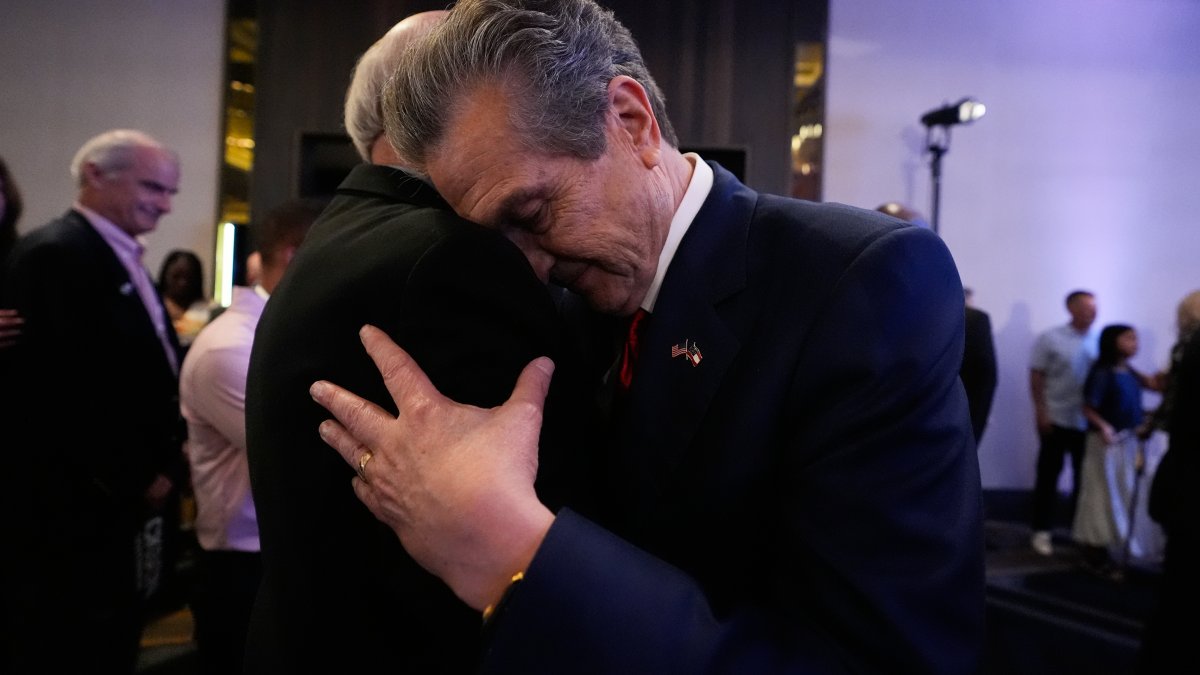
President Donald Trump's endorsements hold significant weight in Republican primaries, but they are not always a guarantee of success, especially when significant financial resources are involved. Rick Jackson's campaign in Georgia spent over $100 million, mostly self-funded, to defeat Trump-endorsed Burt Jones in the Republican gubernatorial runoff. Despite this, Trump's endorsements proved successful in other states, with his candidates winning key races in Alabama and Oklahoma.
In the recent primaries in Alabama, California, the District of Columbia, Georgia, and Oklahoma, the Democratic contests highlighted the ongoing divisions within the party between progressives and moderates as they navigate the path to the November elections. Trump's influence in Republican primaries remains strong, with his endorsements often serving as a decisive factor in candidate selection.
While Trump's endorsements have been instrumental in many races, there have been instances where his preferred candidates did not secure victory, such as in Iowa's gubernatorial primary. Trump's rise to power as an outsider has transformed him into a key figure within the Republican establishment, raising questions about the impact of his endorsements on insider candidates.
In Alabama, Trump's endorsement of U.S. Rep. Barry Moore proved successful in the Republican Senate primary, highlighting the president's continued influence in the state. The race in the District of Columbia mayor's race, where democratic socialist Janeese Lewis George is a leading contender, underscores the broader political dynamics at play, with Trump's involvement drawing national attention.
The Republican primary for Georgia secretary of state saw State Rep. Tim Fleming emerge victorious over Vernon Jones, who focused on election-related conspiracies. Fleming's win sets the stage for a competitive race against Democrat Penny Brown Reynolds. In California, the special primary election to fill Eric Swalwell's vacant U.S. House seat featured Democratic state Sen. Aisha Wahab and Bay Area Rapid Transit director Melissa Hernandez as frontrunners.
As the primary season unfolds, the influence of endorsements, campaign spending, and candidate platforms will continue to shape the political landscape leading up to the November elections. The outcomes of these races will not only determine the candidates for key positions but also reflect the evolving dynamics within both the Republican and Democratic parties.