Exploring Ivermectin in Cancer Treatment: Hope, Risks, and Controversies
Ivermectin, a drug that gained popularity during the COVID-19 pandemic for unproven claims of treating the virus, is now being used by some cancer patients. The number of prescriptions for ivermectin among cancer patients has more than doubled in the first half of 2025, following a podcast episode promoting the drug. Despite anecdotal stories like actor Mel Gibson's friends claiming success with ivermectin, experts caution that there is no scientific evidence supporting its effectiveness against cancer.
Dr. John Mafi, an associate professor of medicine at UCLA, emphasized that ivermectin has not been proven in clinical trials for cancer treatment, which are essential to determine the drug's efficacy. While ivermectin is FDA-approved for treating parasitic diseases in humans and is commonly used as a dewormer for animals, it has not been authorized for cancer treatment. Concerns arise that patients may delay or forego proven cancer treatments in favor of unproven remedies like ivermectin.
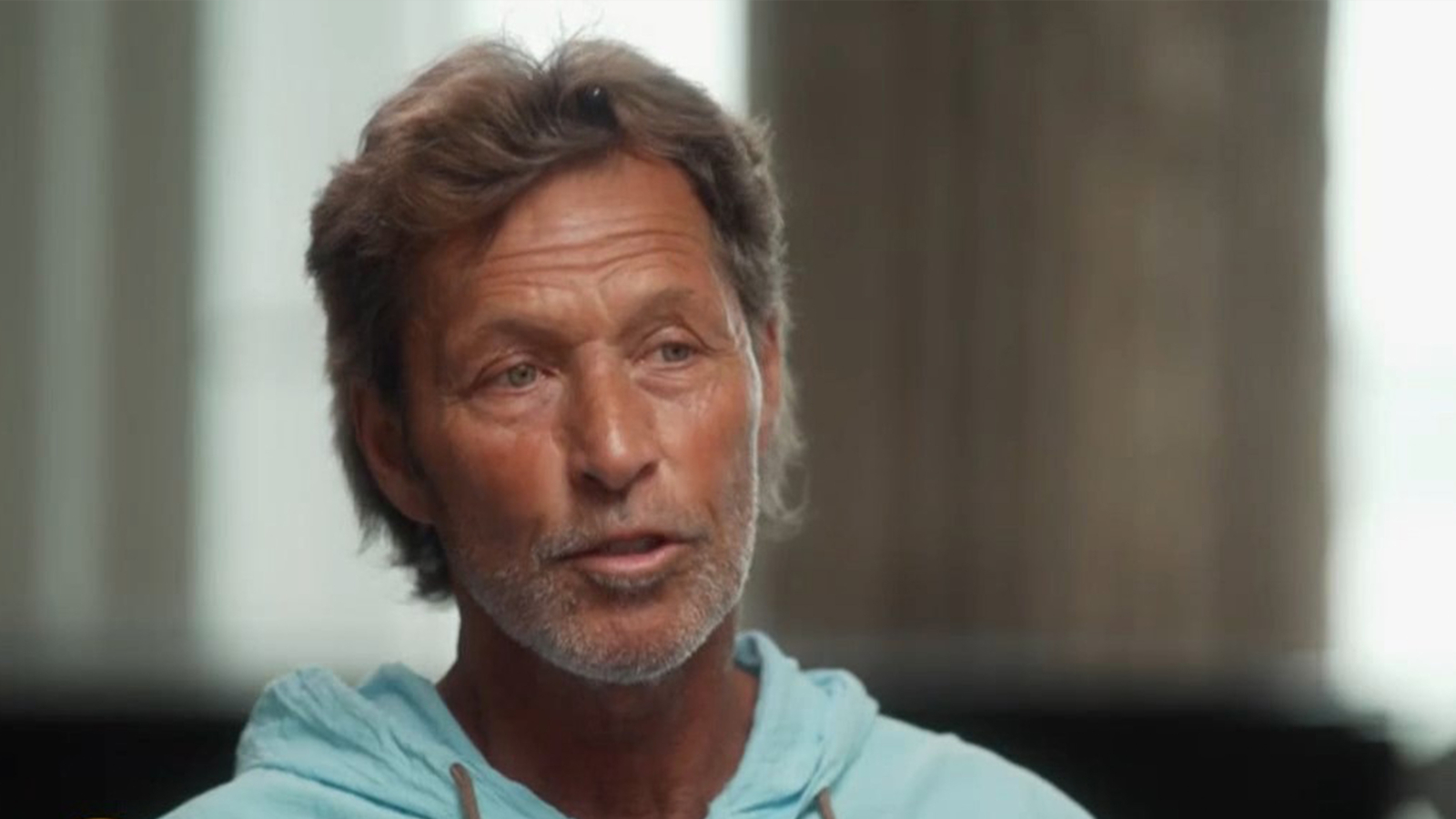
Despite the lack of scientific backing, some terminal cancer patients, like former NHL star Ron Duguay, have turned to ivermectin as a source of hope. Duguay, diagnosed with stage 4 colon cancer, has incorporated ivermectin into his cancer treatment regimen alongside standard therapies. He remains determined to fight his disease using all available options, including participating in clinical trials and exploring unconventional treatments like ivermectin.
Ivermectin dosages must be carefully monitored based on a patient's weight to avoid potential overdose risks. High doses of ivermectin can lead to severe consequences such as seizures, coma, or even death, although fatal outcomes are rare. Poison centers across the country have reported a significant increase in calls related to ivermectin exposure, highlighting the importance of using the drug under medical supervision to prevent adverse effects.
Despite the uncertainties surrounding ivermectin's efficacy for cancer treatment, individuals like Ron Duguay remain optimistic and determined to continue their fight against the disease. Duguay's resilience and willingness to explore alternative treatments reflect his unwavering commitment to overcoming cancer. As he envisions a future where he can still skate with his grandchildren at the age of 90, Duguay's story serves as a testament to the power of hope and perseverance in the face of adversity.