Controversy Surrounding Canada's Assisted Dying Laws: Excluding Mental Illness from MAID Eligibility
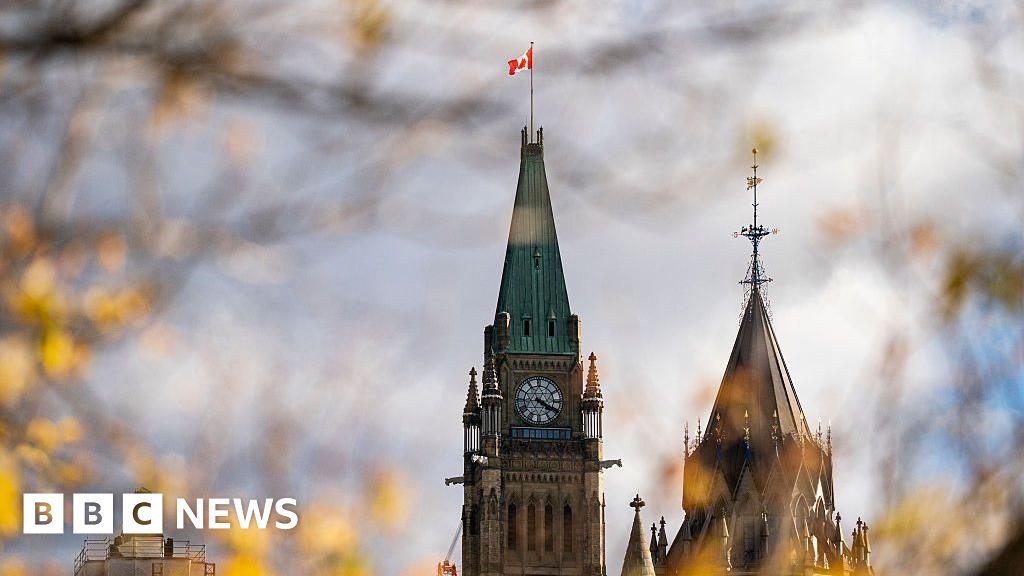
Canada's assisted dying laws are under scrutiny as a new parliamentary committee report recommends excluding individuals with a sole mental illness from eligibility for medical assistance in dying (MAID). The report, issued by a joint House and Senate committee, could influence Canada's decision on expanding the MAID program, which has been delayed twice already. The committee's recommendation is based on the need for improved access to mental health services and the diverging opinions on the issue. However, some committee members have criticized the report, calling it biased and flawed.
The Canadian government must respond to the report by July 11, as it faces legal challenges regarding the exclusion of individuals with mental illness from MAID eligibility. The debate over expanding MAID to include mental illness has sparked controversy, with differing views on the potential impact of such a move. While the Conservative opposition opposes the expansion, advocates argue for increased access to MAID for individuals with mental illness. The prime minister has yet to take a public stance on the matter, and the government may need to pass new legislation to further delay the MAID expansion.
Legal challenges against Canada's mental illness exemption for MAID are ongoing, with individuals like Claire Brousseau, who has bipolar disorder and PTSD, seeking access to the procedure. The current assisted dying laws in Canada have evolved through legal battles and court decisions, allowing MAID for terminally ill adults and those with chronic illnesses. The debate over MAID and mental illness may ultimately be decided by the Supreme Court, according to dissenting senators who question the credibility of the committee's report.
Despite the majority of Canadians supporting MAID, there is less consensus when it comes to including individuals with mental illness in the program. The debate over expanding MAID to mental illness continues to raise ethical and legal concerns, with advocates and opponents presenting conflicting arguments. As the government considers its next steps in response to the committee's report, the future of MAID in Canada remains uncertain.