Challenges and Misconceptions: Battling Ebola in the Democratic Republic of Congo
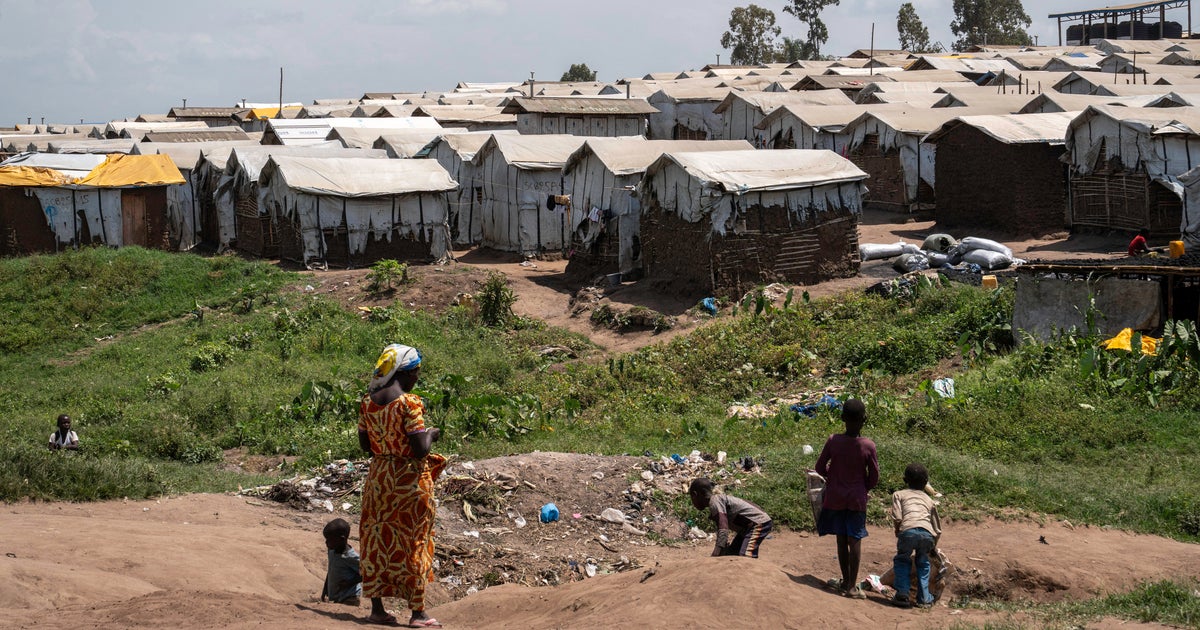
In the midst of the escalating Ebola crisis in the Democratic Republic of Congo, aid worker Jean Marie Lipe faces challenges in convincing people of the reality of the virus. Displaced individuals like Passy Nzali, who attended an information session with Lipe, are beginning to understand the risks associated with Ebola, such as the potential carriers like bats and chimpanzees. However, many Congolese still hold misconceptions about the virus, complicating the efforts of health workers striving to contain its spread.
The number of confirmed Ebola cases in the current outbreak has surpassed 800 since its declaration on May 15, prompting a grave warning from Africa CDC Director Jean Kaseya. The memories of the devastating Ebola crisis in West Africa from 2014 to 2016, which claimed over 11,000 lives and infected more than 23,000 people, loom large as health officials work to prevent a similar catastrophe in the DRC.
Refugee camps near the Congo-Uganda border, like the one where Nzali sought shelter, pose a significant risk for the transmission of infectious diseases, including Ebola. In Uganda, where CBS News visited a quarantine site for Congolese refugees, individuals like James Peter are isolated for 21 days as a precautionary measure. Peter's journey across the border underscores the challenges faced by health professionals in containing the outbreak, as individuals seek safety amidst conflict and instability.
The urgency to halt the spread of Ebola in the DRC and neighboring countries is paramount, as the potential consequences of a prolonged outbreak are dire. With misinformation and misconceptions still prevalent among the population, the efforts of aid workers and health officials are crucial in educating and protecting communities from the deadly virus.