Unpacking the Complexities of the US-Iran Peace Deal: Implications for Israel's Withdrawal from Lebanon
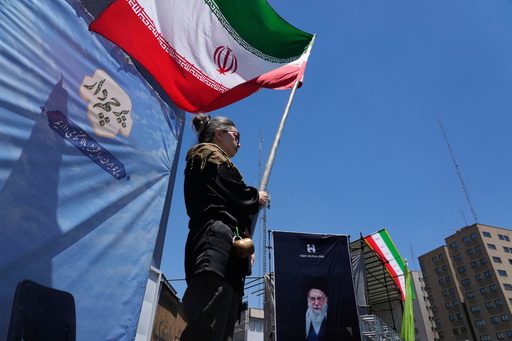
Iran's Foreign Minister Abbas Araghchi stated that the peace deal with the United States would require Israel to withdraw from Lebanon, emphasizing that the end of the war in Lebanon is crucial for the overall peace agreement. Araghchi warned that any Israeli attacks on Lebanon would be considered a violation of the Memorandum of Understanding. The United States has not confirmed if Lebanon is part of the final agreement, leading to ambiguity and potential disagreements between the parties involved.
Israeli officials have expressed differing views on the agreement, with Prime Minister Benjamin Netanyahu stating that Israel's priorities would guide its actions, including remaining in a buffer zone in Lebanon as needed. This uncertainty echoes past negotiations and temporary ceasefires that did not lead to lasting peace or resolution of key issues. The upcoming ceremonial signing in Geneva highlights the unresolved aspects of the agreement, raising questions about its effectiveness in ending the prolonged conflict in the region.
The agreement aims to establish a meaningful truce in a war that has claimed numerous lives and disrupted the region's stability. Key provisions include the immediate opening of the Strait of Hormuz, lifting of the blockade, potential release of Iran's frozen funds, easing of sanctions, and the creation of a $300 billion fund for Iran's reconstruction. However, these measures are contingent on Iran meeting specific benchmarks to ensure compliance with the agreement's terms.
Overall, the peace deal between the United States and Iran, with implications for Israel's withdrawal from Lebanon, remains a complex and evolving process. The upcoming signing ceremony in Geneva will shed light on the agreement's details and its potential impact on regional stability and security.