Managing the Rising Threat of Screwworm Infections in the US: Updates and Prevention Strategies
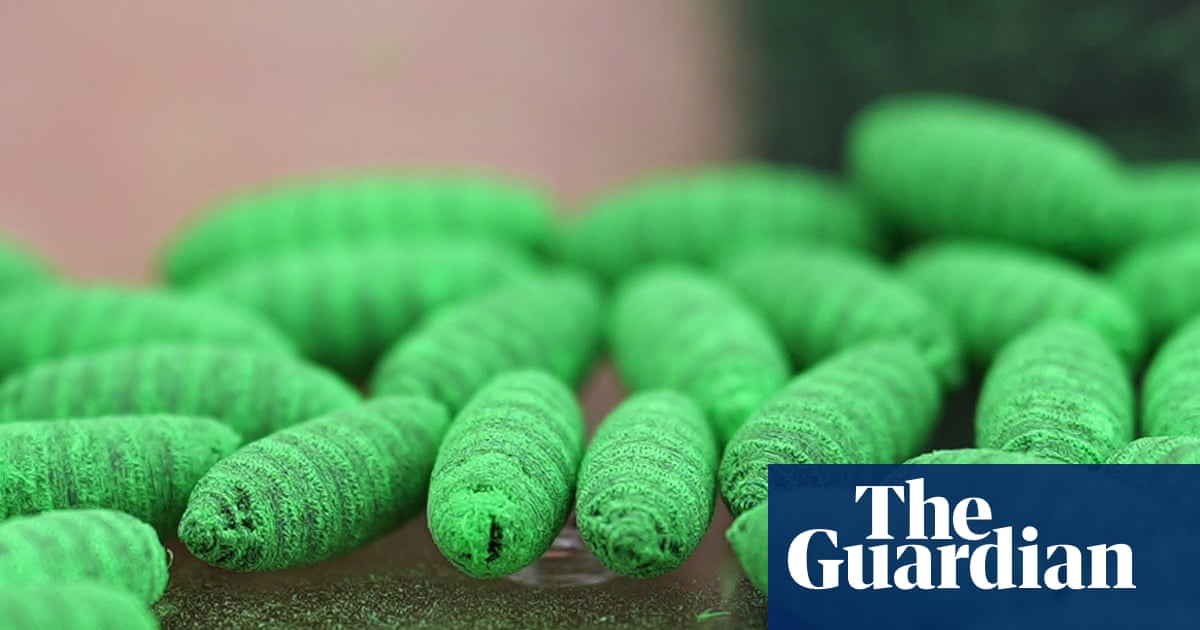
The US is facing a rising number of screwworm cases, with twelve confirmed animal infections reported so far. The outbreak, which started in south Texas, has now spread to other counties in Texas and New Mexico. The infected animals include cattle, goats, sheep, and a dog. The screwworm, a fly larva that feeds on living tissue, was largely eradicated in the 1970s but has made a comeback, causing concerns for the beef industry.
The US Department of Agriculture is urging animal owners to be vigilant for signs of screwworm infection, such as draining wounds, maggots, and unusual discomfort. Prompt reporting of suspected cases is crucial to contain the spread of the parasite. Despite the outbreak, the US food supply remains safe as the screwworm does not infest meat or produce.
Texas's agriculture commissioner, Sid Miller, has called for the deployment of the Screwworm Adult Suppression System (Swass) to combat the outbreak. The program targets fertile adult screwworm flies to prevent reproduction. The government has released millions of sterile flies on the ground and in the air to help control the outbreak. Pennsylvania has also issued a precautionary quarantine order to prevent the spread of screwworm into the state.
The proactive measures taken by agricultural authorities aim to strengthen biosecurity and limit the movement of susceptible livestock from affected areas. By working together to contain the outbreak and protect farms and communities, officials hope to prevent further spread of the screwworm parasite.