Title: Navigating National Identity: The Intersection of Politics and Sports in the 2026 World Cup
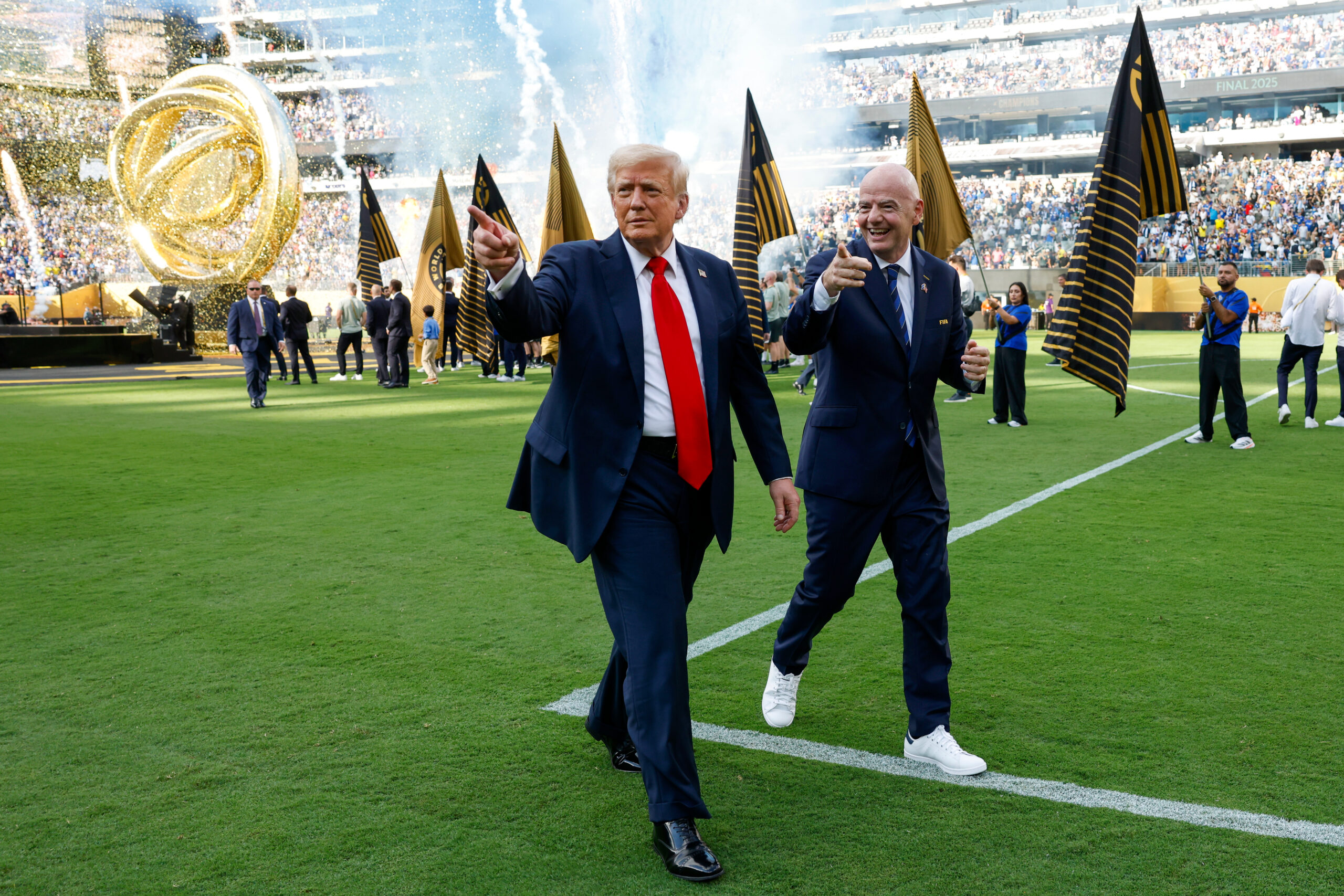
The upcoming 2026 World Cup is anticipated to be a highly-watched global sporting event, but it may also stir controversy due to FIFA's history of corruption. Some viewers may face a dilemma during this year's tournament, especially in the U.S., where political tensions are high. The Trump administration's unpopularity and concerns about sportswashing, where governments use sports to distract the public, may lead some fans to feel conflicted about supporting their national teams.
Fans who are critical of their country's actions may struggle to wholeheartedly cheer for their national teams, especially when patriotism feels complicated. While some fans may intensify their patriotic support during the tournament, others may find it challenging to root for their country's team if they disagree with their country's policies or actions. However, supporting a national team in sports does not equate to endorsing all aspects of a country's behavior.
Separating politics from sports is nearly impossible, as sports are intertwined with social, economic, and political aspects of society. Fans are encouraged to enjoy the World Cup as they would any other sporting event, supporting their favorite teams for personal reasons. The outcome of a soccer match does not have significant political implications, and the issues existing before the tournament will persist regardless of the results on the field.
Rooting for a national soccer team does not imply blind loyalty to a country but rather a desire for the athletes representing the nation to succeed in their game. Athletes often navigate the complexities of representing their country while acknowledging political issues, and fans can adopt a similar nuanced approach. It is possible to support a team while maintaining critical views of a country's government or policies.
In today's political climate, maintaining nuance can be challenging, especially when political figures attempt to capitalize on sports victories for personal gain. Fans are encouraged to resist falling into political traps and instead focus on enjoying the sporting event for what it is. The World Cup's outcomes may not lead to significant political change, but they can provide moments of joy and unity for fans worldwide.
In conclusion, fans should approach the 2026 World Cup with a balanced perspective, recognizing the complexities of sports, politics, and national identity. Supporting a national team does not require overlooking a country's flaws but rather celebrating the athletes' efforts on the field. By embracing nuance and separating sports from political agendas, fans can enjoy the tournament for its sporting excitement and global camaraderie.