Judge Pauline Newman's Suspension: A Legal Battle for Judicial Independence
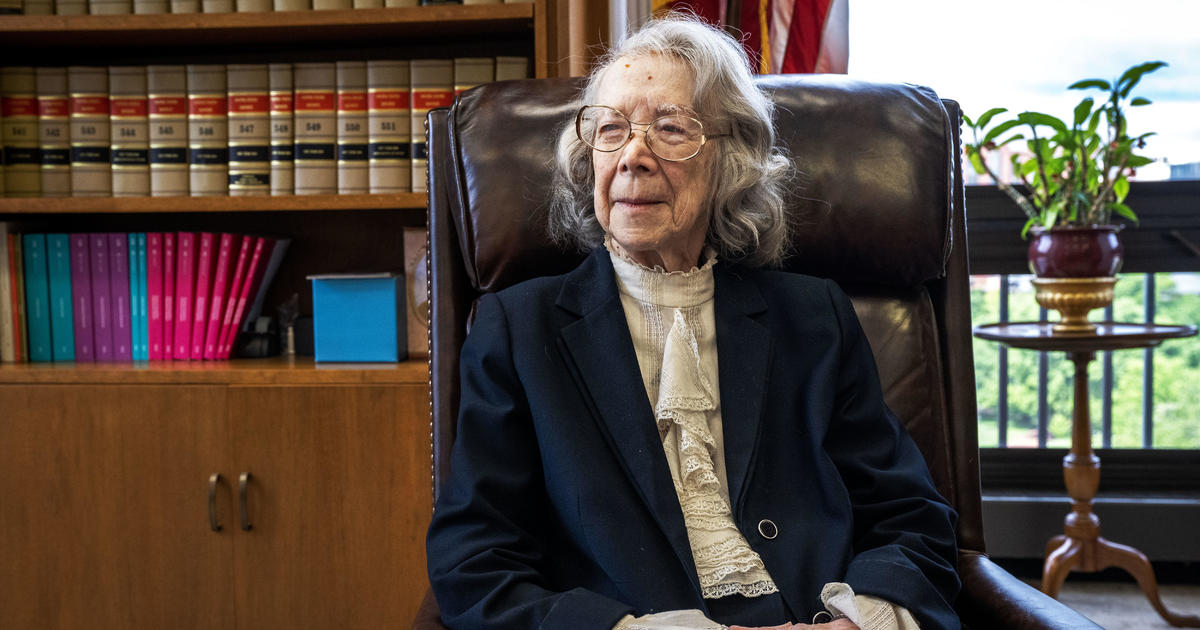
The Supreme Court declined Judge Pauline Newman's request to resume her duties on the U.S. Court of Appeals for the Federal Circuit following her suspension due to concerns about her ability to serve. Newman, a 98-year-old judge known as the "Great Dissenter," has been on the Federal Circuit since 1984, handling cases related to international trade, patents, trademarks, veterans' benefits, and claims against the U.S. government. Despite her prolific career, the Judicial Council for the Federal Circuit suspended Newman from hearing cases three years ago, citing health issues and delays in her work.
Chief Judge Kimberly Moore offered Newman the option to retire or transition to senior status, but Newman declined. The Judicial Council found probable cause to believe that Newman's health and delays were hindering the administration of justice, leading to her suspension. A special committee investigated Newman's fitness to serve, ordering medical tests and recommending she not hear cases for a year, a decision approved by the Judicial Council.
Newman's attempts to challenge her suspension were unsuccessful, with the Judicial Conference and the D.C. Circuit ruling against her. Despite her legal efforts, the Federal Circuit renewed her suspension multiple times, most recently in August 2025. Newman filed a lawsuit against Moore and her colleagues, alleging violations of the Constitution and due process. However, the D.C. Circuit rejected her claims, citing the Disability Act's limitations on challenging a judicial council's authority.
Newman's lawyers argued that Moore and the Federal Circuit judges were undermining judicial independence by targeting a dissenting colleague. They claimed that Newman's removal set a dangerous precedent for judges who disagree with their peers. The Justice Department, representing Moore and the judges, urged the Supreme Court to reject Newman's case, which the Court ultimately did.