Switzerland's Population Cap Vote: Balancing Growth and Sustainability
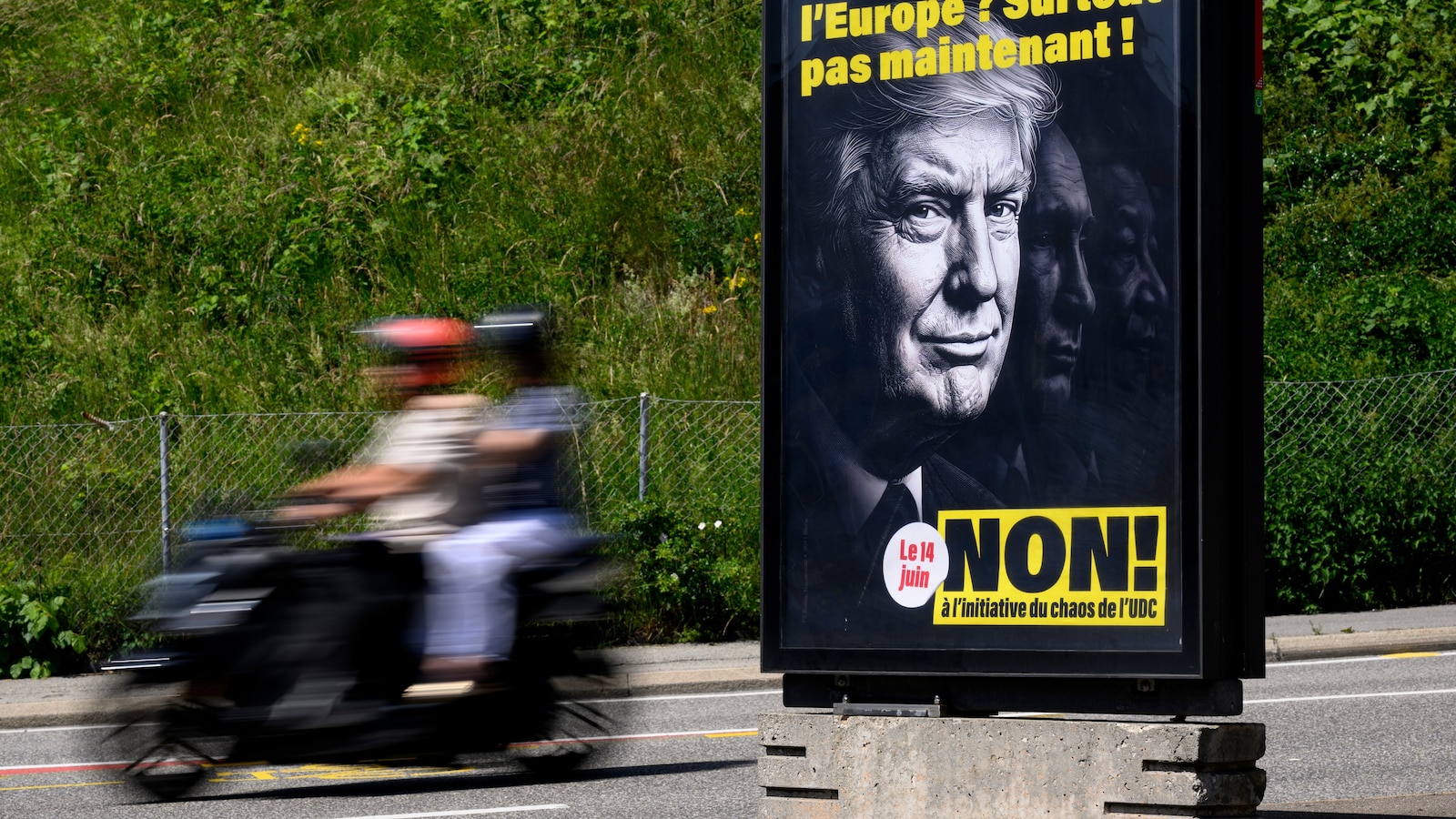
Switzerland is currently holding a crucial vote to decide on a proposal that aims to cap the country's population at 10 million. The initiative, led by the Swiss People's Party, has sparked debates about migration and its impact on the nation's infrastructure and way of life. Critics argue that restricting population growth could have negative consequences, including potential strains on essential sectors like healthcare, finance, and technology, as well as jeopardizing Switzerland's relationship with the European Union, its top trading partner.
The Swiss People's Party's "sustainability initiative" seeks to address concerns about the increasing demographic growth in Switzerland. The proposal, if approved, would require the government to take measures to limit the population by 2050. This could potentially lead to restrictions on asylum, family reunification, and residency permits if the population reaches 9.5 million before the set deadline. The outcome of the vote remains uncertain, with recent polling indicating a close contest.
Switzerland's direct democracy allows citizens to participate in decision-making through referendums held several times a year. The current vote on population control reflects the ongoing debate on immigration and its implications for the country's future. With a significant foreign-born population and a history of addressing immigration issues through referendums, Switzerland continues to navigate the complexities of managing population growth and maintaining economic stability.
In conclusion, Switzerland's population cap proposal highlights the country's ongoing efforts to address the challenges posed by migration and demographic changes. The outcome of the vote will not only shape Switzerland's future population policies but also have broader implications for its relationship with the European Union and its economic landscape. As voters cast their final ballots, the decision on population control will have far-reaching consequences for Switzerland's social, economic, and political landscape.