Title: "The Evolution of G7 Summits: Addressing China's Exclusion and the Call for Inclusivity in Global Governance
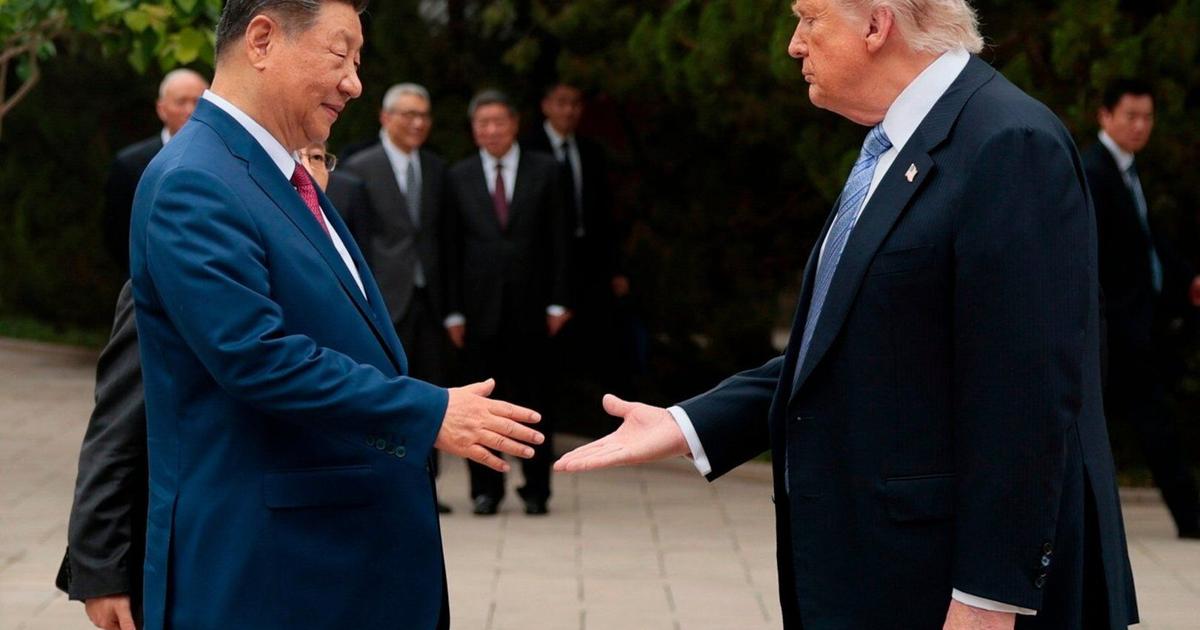
In 1975, major powers convened at a chateau near Paris to address the global economic downturn, marking the beginning of the G7 summits. China was notably absent from these meetings, as the exclusive club of wealthy nations focused on advancing their own interests. The idea of Chinese leader Mao Zedong collaborating with U.S. President Gerald Ford and other leaders was inconceivable.
Over the years, the G7 summits have evolved into a platform for influential nations to discuss pressing global issues and coordinate policies. China's exclusion from the group has been a point of contention, given its significant economic and geopolitical influence. The dynamics of international relations have shifted, prompting calls for a more inclusive approach to address complex challenges.
As China's economic power continues to grow, its absence from the G7 summits raises questions about the effectiveness of the group in addressing global issues. The exclusion of China, a major player in the world economy, highlights the need for a more inclusive and collaborative approach to tackle shared challenges. The evolving landscape of international relations underscores the importance of engaging all relevant stakeholders in shaping the future of the global economy.
In conclusion, the G7 summits have historically excluded China, but the changing dynamics of the global economy call for a more inclusive approach to address pressing issues. As China's influence grows, the need for collaboration and dialogue with all major stakeholders becomes increasingly apparent. The evolution of international relations underscores the importance of engaging diverse perspectives to navigate the complexities of the modern world.