The Evolution of the G7: A History of Global Economic Cooperation
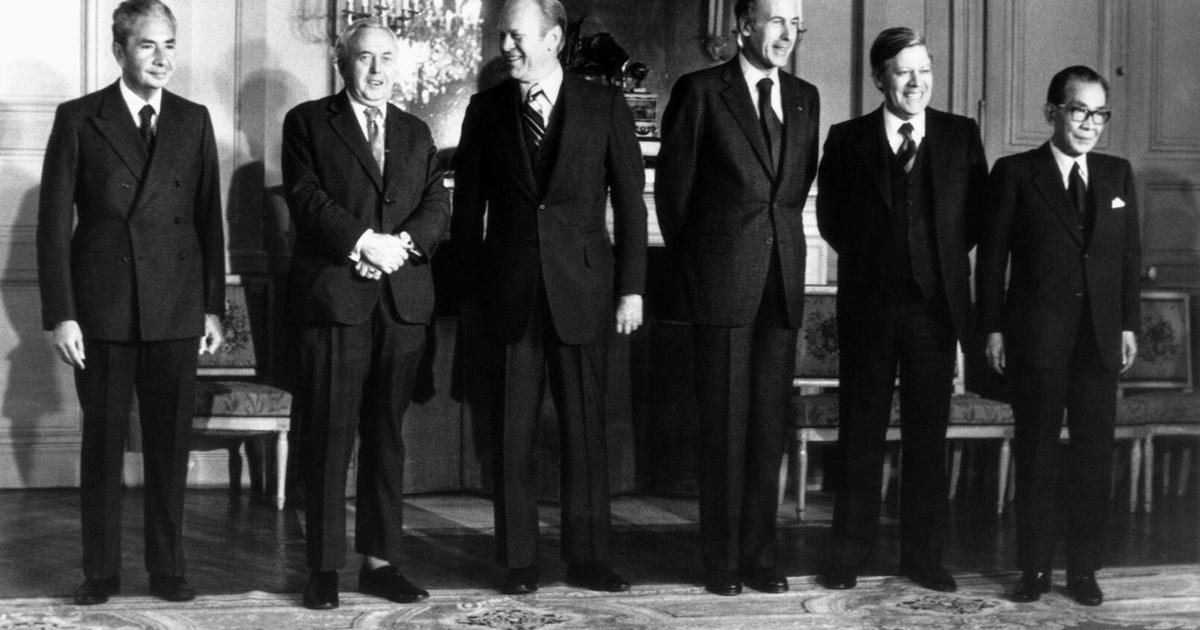
In 1975, U.S. President Gerald Ford and leaders from five other major democracies met at a castle near Paris, laying the groundwork for what would later become the Group of Seven (G7) nations. The summit included leaders from Italy, Great Britain, France, West Germany, and Japan, marking the beginning of a collaborative effort among these influential countries.
The G7, initially known as the Group of Six, was established to address economic and monetary issues of global significance. The participating nations aimed to foster cooperation and dialogue on key economic challenges facing the world. The group's formation signaled a commitment to working together to promote stability and growth in the international financial system.
Over the years, the G7 has evolved into a forum for discussing a wide range of global issues, including trade, security, and environmental concerns. The annual summits bring together leaders from member countries to engage in productive discussions and coordinate policies on pressing international matters. The G7's collective efforts have had a significant impact on shaping global economic policies and addressing shared challenges.
As the G7 continues to play a crucial role in shaping the global economic landscape, its member countries remain committed to upholding the principles of cooperation, dialogue, and mutual understanding. The group's ongoing efforts reflect a shared commitment to addressing complex global issues and promoting sustainable economic development. The G7's legacy of collaboration and partnership underscores the importance of international cooperation in addressing the challenges of the modern world.
In conclusion, the G7 nations have a rich history of working together to address global economic challenges and promote international cooperation. The group's formation in 1975 marked the beginning of a collaborative effort among leading democracies to address key economic issues and foster stability in the international financial system. The G7's ongoing commitment to dialogue and cooperation underscores its importance as a forum for addressing pressing global challenges and shaping the future of the global economy.