Navigating Business Inflation: Analyzing the Impact of Soaring Fuel Prices
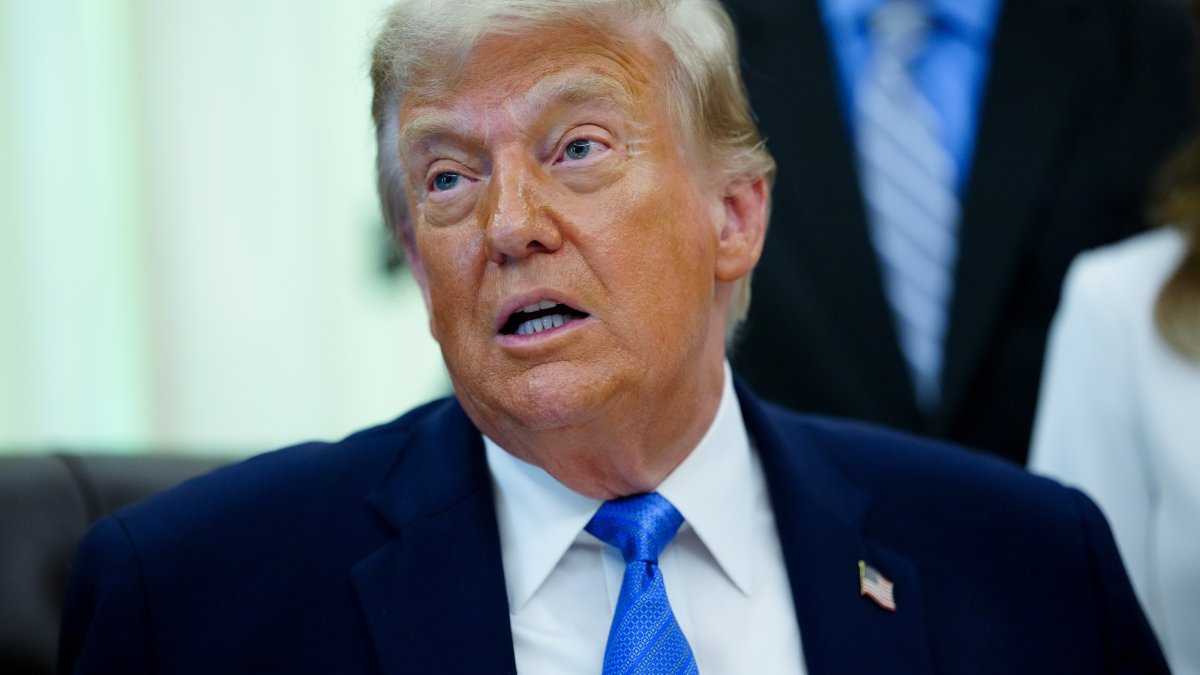
Business inflation reached its highest level in May, driven by soaring fuel prices due to the ongoing war with Iran. The Producer Price Index rose by 1.1% from April to May and increased by 6.5% compared to the same period last year. This marks the largest 12-month rise since November 2022, according to the Bureau of Labor Statistics. The Core PPI, which excludes food and energy costs, also rose to 4.9% annually. President Donald Trump's recent comments on inflation drew attention, but the data showed that inflation was higher than anticipated.
The surge in producer prices was largely attributed to the sharp increase in energy costs, accounting for 80% of the overall PPI figure. The impact of higher gas prices on inflation was evident, with oil prices remaining 40% higher since the war with Iran began in February. Oil prices have climbed about 60% so far this year, adding pressure to the economy. The business inflation report was described as "eye-watering" by E.J. Antoni, highlighting the significant challenges posed by rising prices.
The Federal Reserve is likely to consider the latest inflation data in its decision-making process regarding interest rates. While interest rates are currently on hold, futures market traders predict a potential rate hike by December, with a 60% chance of an increase as early as October. The Fed faces the challenge of addressing inflation while maintaining economic stability. Central banks typically monitor energy inflation over short periods until it impacts other sectors of the economy. Additionally, a sharp increase in portfolio management fees contributed to higher producer prices, reflecting the ongoing rise in stock prices.
In a separate development, the European Central Bank raised interest rates, with President Christine Lagarde projecting that inflation would not reach 2% until late 2027. The global economic landscape continues to be influenced by inflationary pressures, prompting central banks to navigate the delicate balance between economic growth and price stability. The latest data underscores the challenges posed by rising inflation and the need for strategic monetary policy decisions to address these concerns.