US Inflation Surges to 4.2% Amid Iran Conflict: Implications for the Economy and Federal Reserve
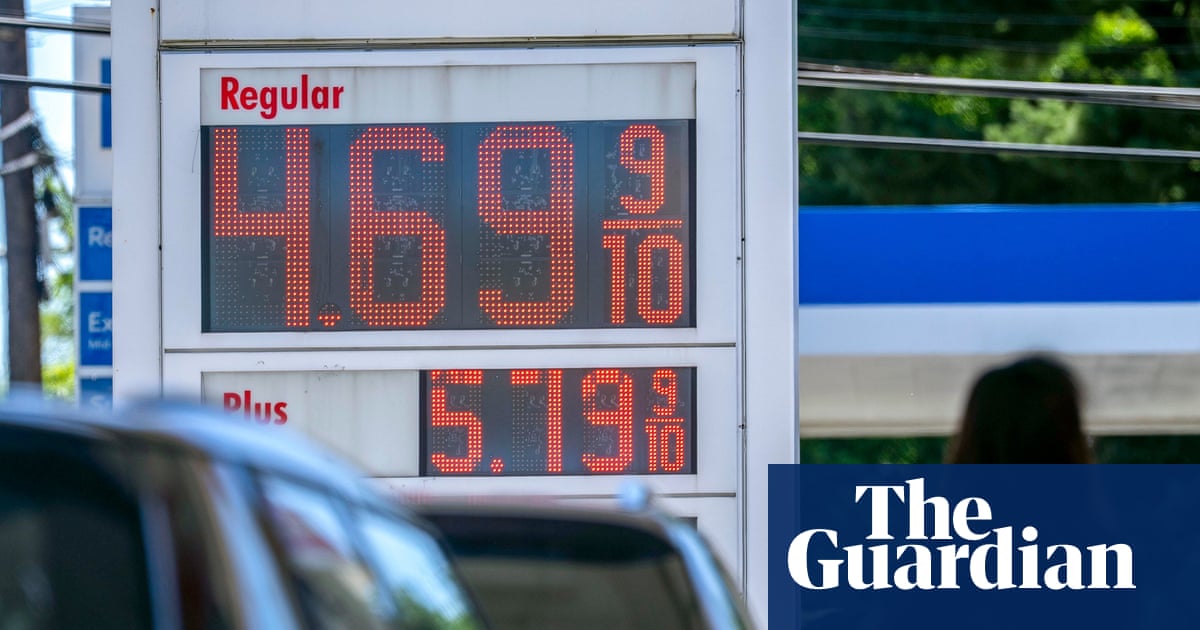
In May, US inflation surged to 4.2%, marking the third consecutive monthly increase and reaching a three-year high. This rise in prices is largely attributed to the ongoing conflict in Iran, which has led to soaring oil prices. In March, inflation rose by 3.3%, followed by a 3.8% increase in April. Prior to the conflict, inflation stood at 2.4% in February. Energy prices played a significant role in driving up the consumer price index, accounting for 60% of the overall monthly increases. While gas prices have slightly decreased from the previous month, they are still approximately $1 per gallon higher compared to a year ago. Additionally, essential expenses like food, energy services, and clothing have also seen price hikes. Excluding volatile energy and food prices, core CPI rose by 2.9%.
Since the onset of the US-Israel war with Iran, inflation has reached its highest levels since 2023, although it remains below the peak levels recorded in 2022 when inflation hit 9%. The surge in prices has led to a decline in Americans' confidence in their financial future. A recent survey by the Federal Reserve Bank of New York revealed that households are more pessimistic about inflation, the job market, employment prospects, and the likelihood of layoffs. Consumer sentiment has also hit a historic low, as indicated by data from the University of Michigan, following three consecutive months of decline.
The latest inflation data poses a challenge for the US Federal Reserve, which is set to convene under the leadership of new chair Kevin Warsh. Warsh advocates for lowering interest rates, aligning himself with President Donald Trump's stance on rate cuts. Despite the rising prices, Trump has shown little concern about fuel costs, stating that they are not excessively high. The Fed traditionally reduces rates to address high unemployment, even at the risk of fueling inflation. The US job market has remained robust, with employers adding 172,000 jobs in May and the unemployment rate holding steady at 4.3%.
Goldman Sachs no longer anticipates rate cuts by the Fed this year, projecting that rates will remain unchanged throughout 2026 and any cuts will be postponed to the following year. JP Morgan Global Research foresees rate hikes by central banks worldwide and predicts that the Fed will raise rates by 2027. Bruce Kasman, chief global economist at JPMorgan Chase, highlighted the impact of the energy price spike on inflation and household purchasing power, emphasizing the potential intensification if the Middle East conflict continues to disrupt the strait of Hormuz.
In conclusion, the recent surge in US inflation, driven by escalating energy prices amid the Iran conflict, has raised concerns about the economy and consumer sentiment. The Federal Reserve faces the challenge of balancing inflationary pressures with the need to support economic growth and employment. The decisions made by the central bank in response to these inflationary trends will have significant implications for the financial landscape in the coming years.