Unveiling the Secrets of the Largest Whale 'Graveyard' in the Indian Ocean: A Paleontological Marvel
A groundbreaking discovery has been made by Chinese scientists who have uncovered the largest whale "graveyard" ever found. The site spans a 750-mile stretch of the Indian Ocean floor and contains the fossilized remains of over 450 whales, dating back five million years. The findings, detailed in a study published in Nature, have captured the attention of paleontologists like Nick Pyenson from the Smithsonian Institution's National Museum of Natural History.
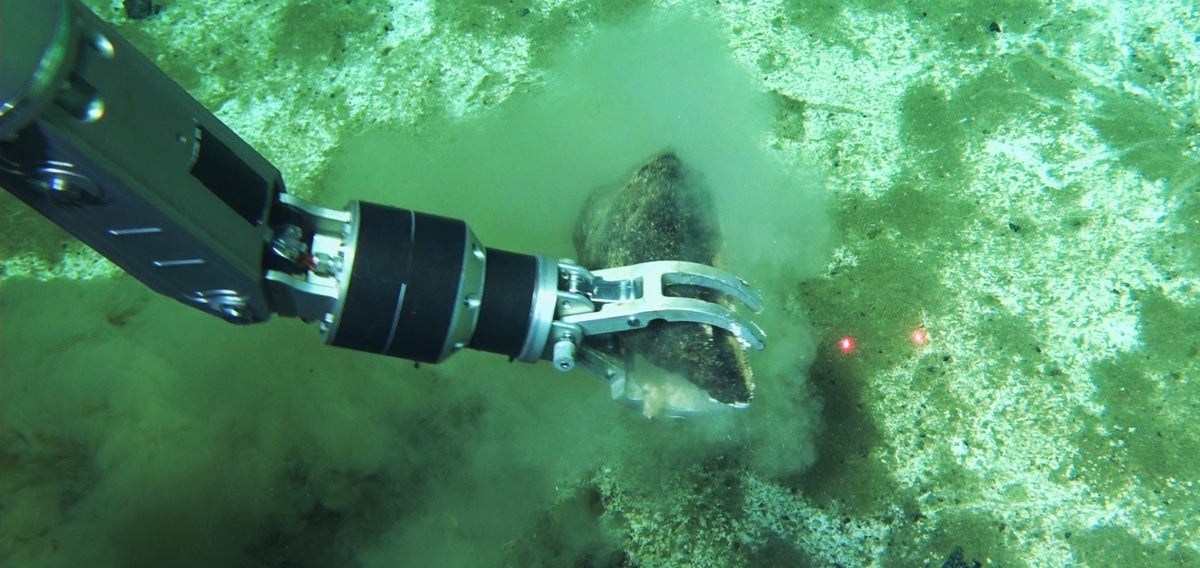
The discovery is located in the Diamantina Fracture Zone, extending from the southwestern tip of Australia into the Indian Ocean. Chinese researchers stumbled upon the whale skeletons during dives using a crewed submersible vehicle, revealing a diverse array of whale remains and evidence of whale falls. These whale falls, which support unique ecosystems, were observed in various stages of decomposition, hosting a variety of scavengers and microbes.
The researchers also encountered barren whale remains that had fossilized over thousands or even millions of years, providing a glimpse into the ancient marine environment. By collecting samples and dating the fossils, the scientists determined that the whale skeletons ranged from 5.26 million to 120,000 years old. This discovery has been likened to the La Brea Tar Pits in Los Angeles, showcasing a range of geological time preserved in the deep-sea environment.
The significance of this finding extends beyond the sheer number of whale remains. It highlights the potential for similar discoveries along migration routes in the ocean, emphasizing the importance of protecting and studying deep-sea environments. The researchers believe that there may be more sites like this waiting to be uncovered, offering insights into the evolutionary history of whales and the ecosystems they support.
In conclusion, the discovery of the largest whale "graveyard" in the Indian Ocean is a testament to the rich biodiversity and geological history hidden beneath the ocean's depths. This finding opens up new avenues for research and underscores the importance of exploring and preserving deep-sea environments for future generations.