Enhanced Training Program for ICE Officers: Strengthening Enforcement and Safety Measures
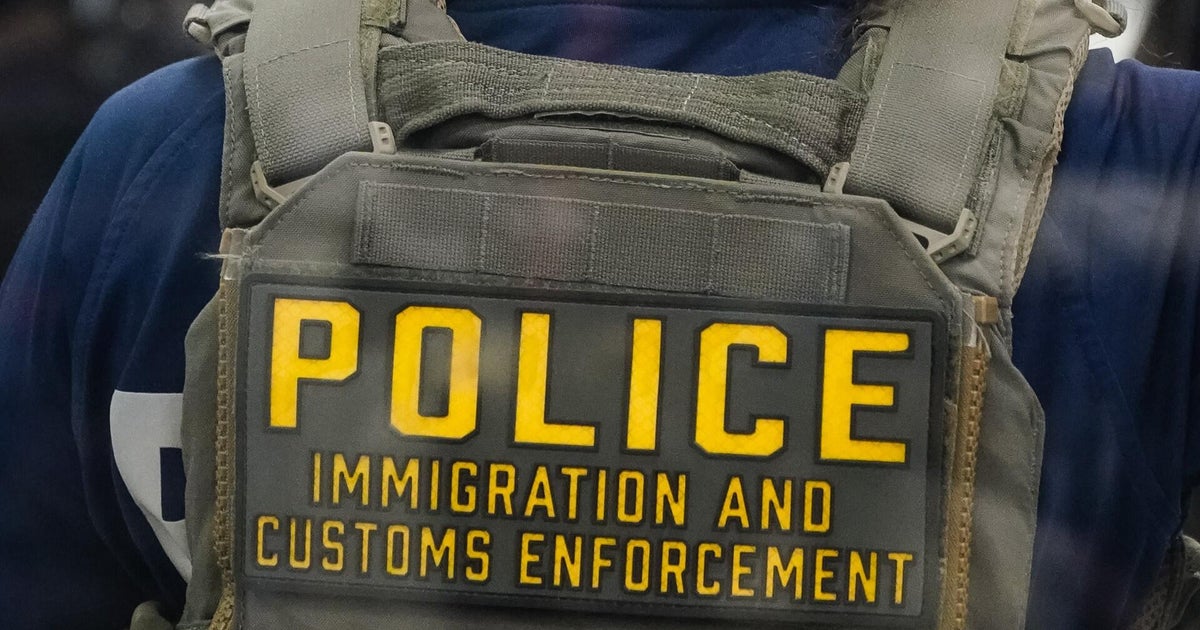
U.S. Immigration and Customs Enforcement (ICE) has made changes to its training program for new officers, extending the training period and adding additional instruction for officers who underwent a shortened training process under the Trump administration. Concerns were raised about the quality and length of training for ICE agents, especially after two U.S. citizens were fatally shot during an immigration crackdown in Minneapolis earlier this year.
ICE will now extend its core training program for immigration enforcement officers from 42 days to approximately 71 days, starting in July at the Federal Law Enforcement Training Center in Georgia. Officers who completed the previous 42-day training will also be required to participate in additional training called the Advanced Field Officer Training Program.
The training changes aim to enhance officer safety, operational efficiency, and compliance with laws and policies. Homeland Security Secretary Markwayne Mullin mentioned the upcoming changes during congressional testimony, emphasizing the need to adapt training to current needs, including crowd control measures and high-risk vehicle stops.
The Department of Homeland Security confirmed the training modifications, citing the need for additional training due to increased violence against ICE officers. The added training will focus on crowd control, high-risk vehicle stops, live-fire cover courses, and medical training, all of which will be closely monitored and tracked online.
The revamped training program comes after ICE implemented a shortened training course under former Homeland Security Secretary Kristi Noem to quickly hire and onboard 10,000 new deportation agents. The Trump administration allocated significant funds to ICE for this hiring initiative, leading to months of negotiations in Congress over funding for ICE and Border Patrol.
Ultimately, congressional Republicans passed a $70 billion funding bill for ICE and Border Patrol through the reconciliation process, without needing to make a deal with Democrats. The legislation was signed into law by the president, ensuring continued funding for the agencies until the end of the administration's term.