Brad Lander's Trial: Advocating for Immigrant Rights and Government Accountability
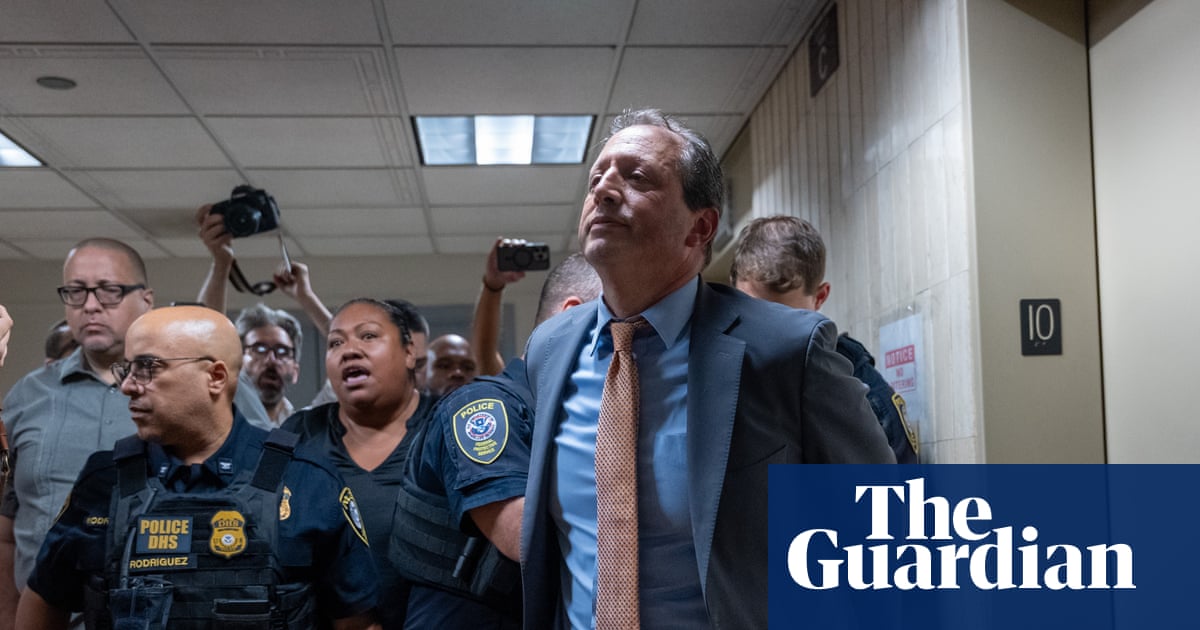
Brad Lander, a New York City Democrat and former city comptroller, is set to go on trial in a federal court in New York City for his involvement in a protest at an immigration court. The protest took place at 26 Federal Plaza, an immigration court in Manhattan, during a time when there was a crackdown on immigrants under the Trump administration. Lander and other local elected officials attempted to inspect the hold rooms where detained immigrants were being kept, following concerns about overcrowded and inhumane conditions.
The protest at 26 Federal Plaza was in response to a change in policy by Immigration and Customs Enforcement (ICE) that allowed for longer detention times for immigrants in hold rooms. The average detention time increased significantly, prompting legal action from some of the detained immigrants. A federal judge ruled that the conditions in the hold rooms needed to be improved to protect the rights of those detained.
Lander and a group of elected officials attempted to enter the hold rooms on the 10th floor of 26 Federal Plaza to ensure that ICE was following the court order and federal and state laws. Despite their attempts to gain access, they were denied entry by security officers. The group protested peacefully outside the doors of the hold rooms, chanting and singing while requesting access.
After being warned by officers that they were violating the law by protesting illegally, Lander and the other officials were arrested and issued tickets for their actions. Lander's ticket cited him for blocking entrances, foyers, and corridors. Despite an offer to drop the violation in exchange for a six-month ban on protesting inside federal buildings, Lander refused the conditions.
The trial of Brad Lander highlights the ongoing debate surrounding immigration policies and the treatment of detained immigrants. Lander's actions reflect his commitment to advocating for the rights of immigrants and holding government agencies accountable for their treatment of vulnerable populations. The outcome of the trial will shed light on the balance between peaceful protest and legal consequences in the pursuit of justice and accountability.