Analysis of Proposed FEMA Overhaul: Implications for Disaster Response and Recovery Efforts
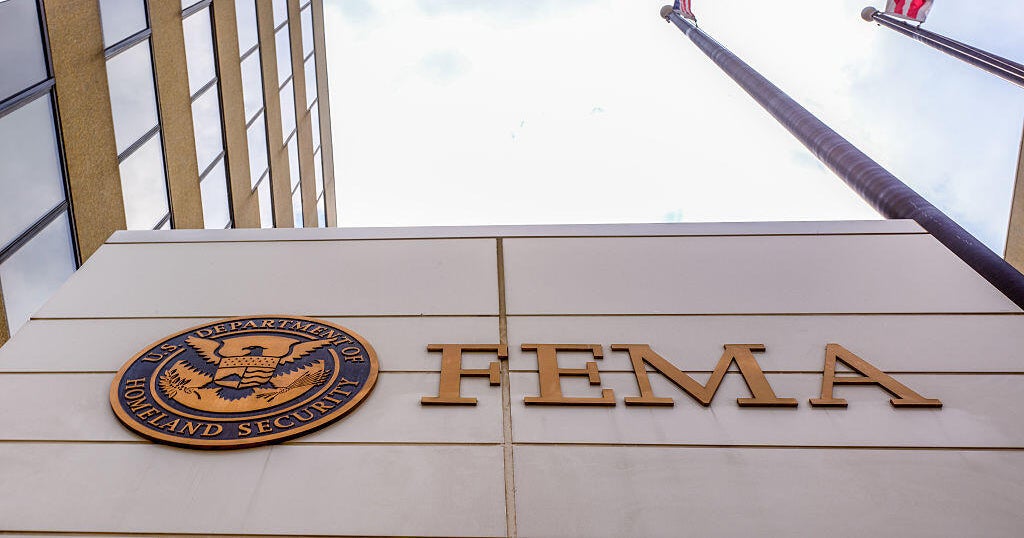
A recent analysis has raised concerns about potential changes to the Federal Emergency Management Agency (FEMA) proposed by a panel appointed by former President Trump. The proposed overhaul would shift the responsibility for disaster aid to state and local governments, potentially limiting access to federal assistance for survivors during hurricane season. The plan includes significant changes that would require congressional approval and could have far-reaching consequences for disaster response and recovery efforts.
The proposed changes by the FEMA Review Council aim to transform the agency into a leaner organization that plays a supporting role in natural disaster response, with state agencies taking the lead. However, critics argue that the plan would make it harder to access federal disaster aid by raising the threshold to declare a major disaster, potentially excluding a significant number of declarations in the future. The proposed overhaul could also impact the type and amount of assistance available to individual survivors and flood-zone families, potentially leaving them with fewer options for support.
One of the key changes proposed by the Review Council is the replacement of FEMA's Public Assistance program with a new program called RAPID, which would shift away from project-by-project reimbursement to a formula-based lump-sum grant system. This change could create a gap between federal aid and actual recovery costs, particularly for rebuilding public infrastructure like schools, hospitals, and roads. The proposed program would also impose an eight-year deadline for spending federal funds, which critics argue is unrealistic given the complexities of disaster recovery.
The overhaul of FEMA could also impact flood insurance costs, particularly for low-income households in high-risk areas. The report warns that changes to the National Flood Insurance Program could lead to significant premium increases for some households, potentially making flood insurance unaffordable for those who need it most. Additionally, the proposed changes could have financial consequences for homeowners in flood-prone areas, potentially leading to mortgage default and other issues.
The report also highlights concerns about the council's proposal to end FEMA's role in long-term housing assistance, shifting the responsibility to states and local governments. This change could leave vulnerable populations, such as low-income families and older Americans, without adequate housing support, potentially leading to long-term displacement. The proposed increase in the threshold for federal disaster declarations could further burden states and counties, potentially leaving rural communities especially vulnerable to the impacts of disasters.
In conclusion, the proposed overhaul of FEMA by the Review Council has raised significant concerns about the future of federal disaster response and recovery efforts. Critics argue that the changes could limit access to federal aid, shift costs to state and local governments, and leave vulnerable populations without adequate support. The potential impacts of the proposed changes highlight the importance of ensuring that disaster response and recovery efforts prioritize the needs of survivors and communities most affected by natural disasters.