Unapproved Weight-Loss Drug Retatrutide: Risks and Controversies in the Market
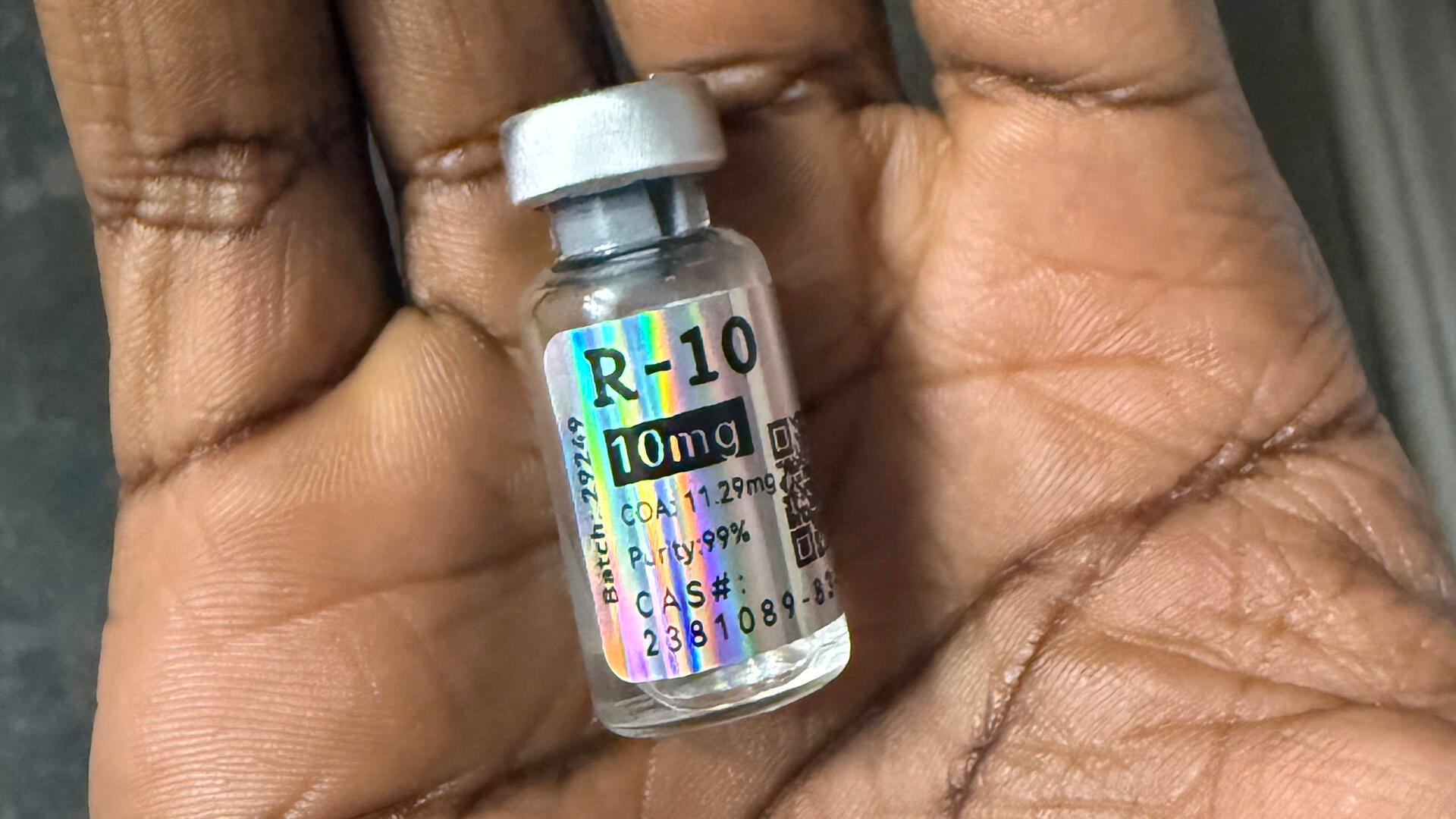
Retatrutide, an experimental weight-loss drug, has gained popularity despite not being authorized for sale outside of clinical trials. The FDA has not reviewed its safety and efficacy, which is required for prescription drugs to enter the market. Despite this, retatrutide is being sold online by various vendors, including licensed medical professionals at clinics across the country, who openly promote and prescribe it to patients. This practice goes against the traditional medical norm of waiting for FDA approval before prescribing a drug and has led to a thriving commercial market for retatrutide.
Numerous websites and clinics have been identified selling or promoting retatrutide, with some clinics removing it from their offerings after being contacted by CBS News. While some defend prescribing retatrutide based on results from clinical trials sponsored by Eli Lilly, others acknowledge the lack of FDA approval but still promote it as a more cost-effective and efficient weight-loss option. The FDA has stated that retatrutide has not been found safe or effective for any condition and cannot be distributed except for investigational use.
The rise of retatrutide's popularity is occurring amid a decline in public trust in health authorities and a growing interest in peptides, molecules that regulate bodily functions. Despite the lack of FDA approval, retatrutide is being marketed and sold through various channels, leading to concerns about potential side effects and misuse due to the absence of an approved standard dosage. The marketplace for retatrutide is not legally permitted, as federal law prohibits the sale of unapproved drugs, but enforcement at the state level has been limited.
The FDA has issued warning letters to companies advertising retatrutide, but some continue to offer it online. The drug, developed by Eli Lilly, has shown promising results in clinical trials, with participants experiencing significant weight loss. However, the drug's availability outside of FDA-sanctioned channels has raised concerns about potential adverse reactions and the lack of oversight in its use. Despite warnings from health authorities, the popularity of retatrutide continues to grow, fueled by social media and online marketing.
Individuals who have purchased retatrutide from unlicensed sources have reported severe side effects, highlighting the risks associated with obtaining and using the drug without medical supervision. The surge in exposures to retatrutide tracked by Poison Centers underscores the need for regulatory oversight and enforcement to prevent harm to consumers. The unauthorized sale and prescription of retatrutide by medical providers outside of FDA-sanctioned channels have prompted legal action and warnings from state boards and regulatory agencies.
Physicians like Jack Mutnick have begun prescribing retatrutide based on clinical trial data and the availability of custom formulations from compounding pharmacies. While some physicians believe in the drug's potential benefits, others caution against its use without FDA approval and standardized dosing guidelines. The controversy surrounding retatrutide underscores the challenges of regulating experimental drugs and ensuring patient safety in an evolving healthcare landscape.
In conclusion, the unauthorized sale and prescription of retatrutide outside of FDA-sanctioned channels have raised concerns about patient safety and regulatory oversight. The growing popularity of the drug, fueled by online marketing and social media, highlights the need for stricter enforcement of laws governing the distribution and use of unapproved medications. As the debate over retatrutide continues, the importance of FDA approval and evidence-based medicine remains paramount in protecting public health.