Middle East Escalation: Israel-Iran Conflict Threatens Regional Stability
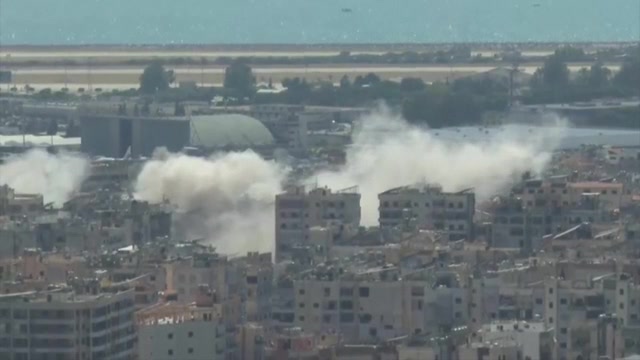
Israel and Iran engaged in retaliatory strikes, escalating tensions in the Middle East. Israel targeted central and western Iran in response to missile fire from Tehran, prompting Iran to retaliate with waves of attacks. The exchange of fire marked the end of a ceasefire reached on April 8. Iran warned the United States of responsibility for any escalation, accusing the U.S. of coordinating with Israel. The paramilitary Revolutionary Guard in Iran targeted two military bases in Israel as part of "Operation Nasr" after Israel struck radar sites in Iran.
The conflict between Israel and Iran has been ongoing since the assassination of Supreme Leader Ayatollah Ali Khamenei and other Iranian leaders on February 28. Despite the ceasefire in April, tensions remain high due to Iran's control of the Strait of Hormuz and involvement of Yemen's Houthi rebels. Efforts are being made to salvage the ceasefire through diplomatic channels involving Egypt, Saudi Arabia, Turkey, Pakistan, and Qatar. The U.S. administration is urged to pressure Israel to halt strikes on Iran, while Iranian officials are called upon to cease attacks on Israel.
The situation further escalated when Yemen's Houthi rebels claimed an attack on Israel and threatened Israel-affiliated vessels in the Red Sea. The Houthis' actions disrupted shipping routes in the Red Sea and the Suez Canal, impacting global trade. Iran reported explosions in several cities, with Israel allegedly using air-launched ballistic missiles in its attack. The Israeli military confirmed a strike on a petrochemical plant in Iran. The airspace around Tehran's main airport was closed following the Israeli attack, but details on the extent of the damage were not immediately available.
In conclusion, the ongoing conflict between Israel and Iran, along with the involvement of Yemen's Houthi rebels, poses a significant threat to regional stability. Efforts to maintain the ceasefire and prevent further escalation are crucial to avoid a full-scale war in the Middle East. Diplomatic initiatives involving key regional players are essential to de-escalate tensions and promote peace in the region.