President Trump's Economic Policy: The Debate Over Interest Rates and the Federal Reserve
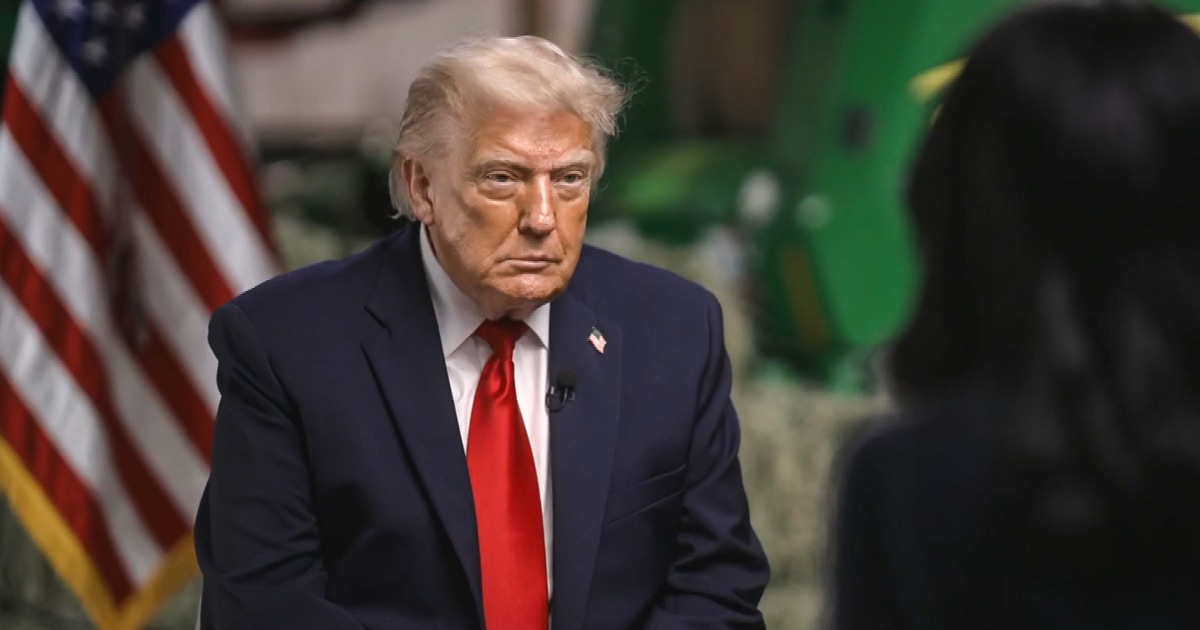
President Donald Trump expressed his disapproval of the Federal Reserve potentially increasing interest rates in a recent interview on NBC News’ “Meet the Press.” Trump praised Fed Chair Kevin Warsh and stated that he wants Warsh to have autonomy in his decisions. Trump emphasized that the economy is performing well and criticized the notion of raising interest rates when the country is doing great.
The May jobs report showed a resilient labor market with the addition of 172,000 jobs and a steady unemployment rate. This positive report came amidst concerns about rising oil and gas prices due to the Iran war. Trump highlighted that the market reacts negatively to good reports because of fears of interest rate hikes, which he believes are unnecessary.
Trump strongly opposed the idea of raising interest rates, arguing that it would hinder the country's success. He emphasized that low rates have been instrumental in building the nation and that increasing rates would be counterproductive. Trump had previously pressured former Fed Chair Jerome Powell to lower rates and criticized him for being slow to act.
Trump's preferred candidate to lead the Fed, Kevin Warsh, was chosen based on his stance on interest rates. Trump stated that Warsh would not have been selected if he supported raising rates. While acknowledging the Fed's independence in theory, Trump asserted his economic expertise and claimed to understand the economy better than most.
The Federal Open Market Committee, comprising 12 members, determines interest rates collectively. The Fed chair, including Warsh, is part of this committee but does not have sole authority over rate decisions. Following the release of the jobs report, stock indexes declined as investors feared potential interest rate hikes by the Fed.
Oil and gas prices have remained high since the Iran war, impacting the national gas price average, which currently stands at $4.17 per gallon. Despite the increase from pre-war levels, prices have slightly decreased from their peak. The ongoing geopolitical tensions continue to influence energy prices and market dynamics.
In conclusion, President Trump's stance on interest rates and the Federal Reserve reflects his commitment to maintaining low rates to support economic growth. His preference for Fed Chair Kevin Warsh aligns with his views on monetary policy, emphasizing the importance of economic success and stability. The market's reaction to potential rate hikes underscores the significance of Fed decisions on investor sentiment and overall economic performance.