Navigating Rising Gas Prices: How Consumers in the U.S. are Adapting Their Spending Habits
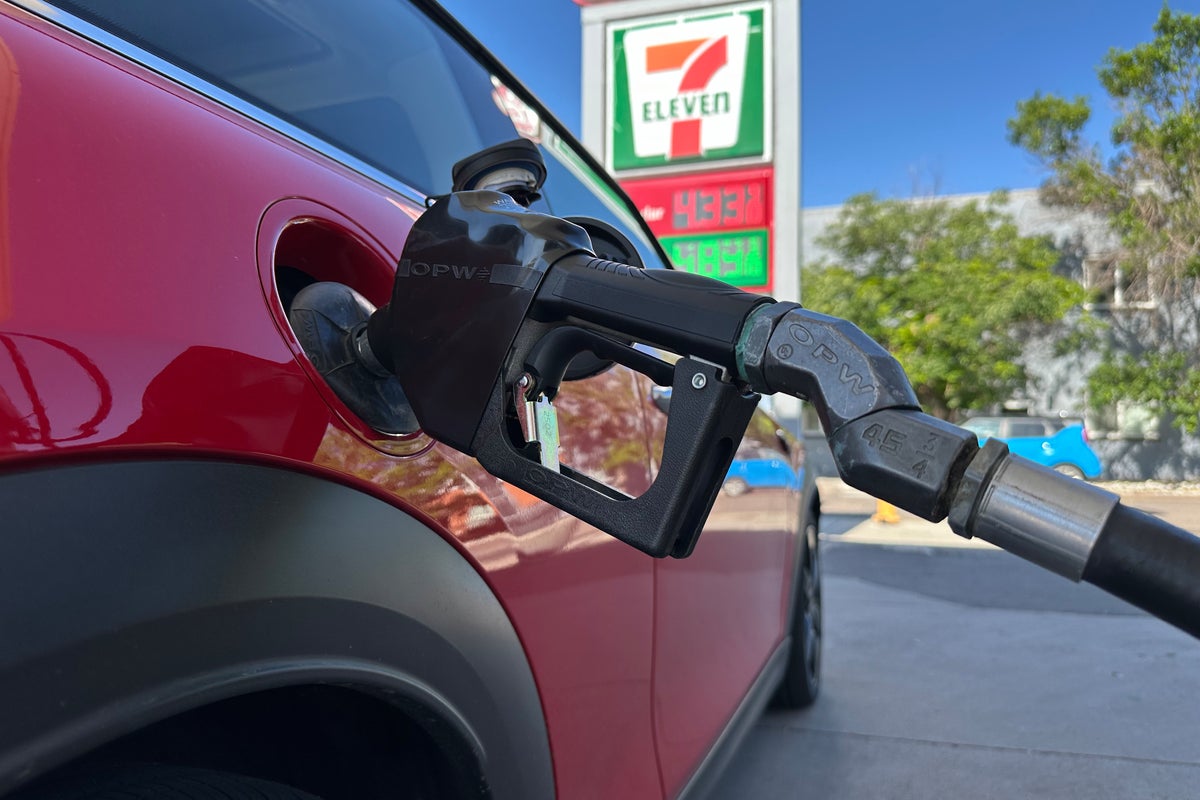
Consumers in the U.S. are adjusting their spending habits in response to rising fuel prices following the Iran war. While overall spending remains steady, there are noticeable changes in shopping behaviors, particularly among lower-income customers. Many are reevaluating their purchases and seeking ways to save money, such as altering their routines for buying gasoline and reducing visits to clothing and furniture stores.
The impact of higher gas prices is being felt across various sectors. Consumers are making strategic choices, like planning fuel stops around warehouse stores with lower prices and opting for online food shopping to avoid impulse buys. The rising cost of gas is affecting household budgets, prompting individuals to be more mindful of their expenses and seek ways to maintain their financial stability.
Major retailers have observed shifts in consumer behavior, with more people opting to top up their tanks instead of filling up completely. This change reflects the financial strain caused by increased gas prices. Convenience stores, which rely heavily on fuel sales, have experienced a decline in pump transactions and in-store sales as customers seek more cost-effective options for their fuel needs.
Despite the challenges posed by higher gas prices, Americans have continued to dine out, supported by tax refunds. However, as costs rise across various sectors, including food and gas, consumers are becoming more budget-conscious. This trend is evident in reduced visits to fast-food restaurants and grocery stores, as individuals prioritize essential purchases and seek value-oriented options to stretch their budgets.
Retailers are adapting to changing consumer preferences, with some reporting declines in non-grocery product sales as shoppers prioritize essential items. Categories like housewares, clothing, footwear, and sports equipment have seen decreases in sales, while toys and beauty products have remained popular. Consumers are gravitating towards value-oriented retailers like warehouse clubs and dollar stores to make their money go further.
As consumers navigate the financial impact of higher gas prices, retailers are closely monitoring shifting shopping patterns and adjusting their strategies to meet evolving consumer needs. By prioritizing value and essential purchases, individuals are finding ways to manage their budgets effectively in the face of rising costs.