Challenges Faced by Health Workers in Mongbwalu: The Struggle Against Ebola in Congo
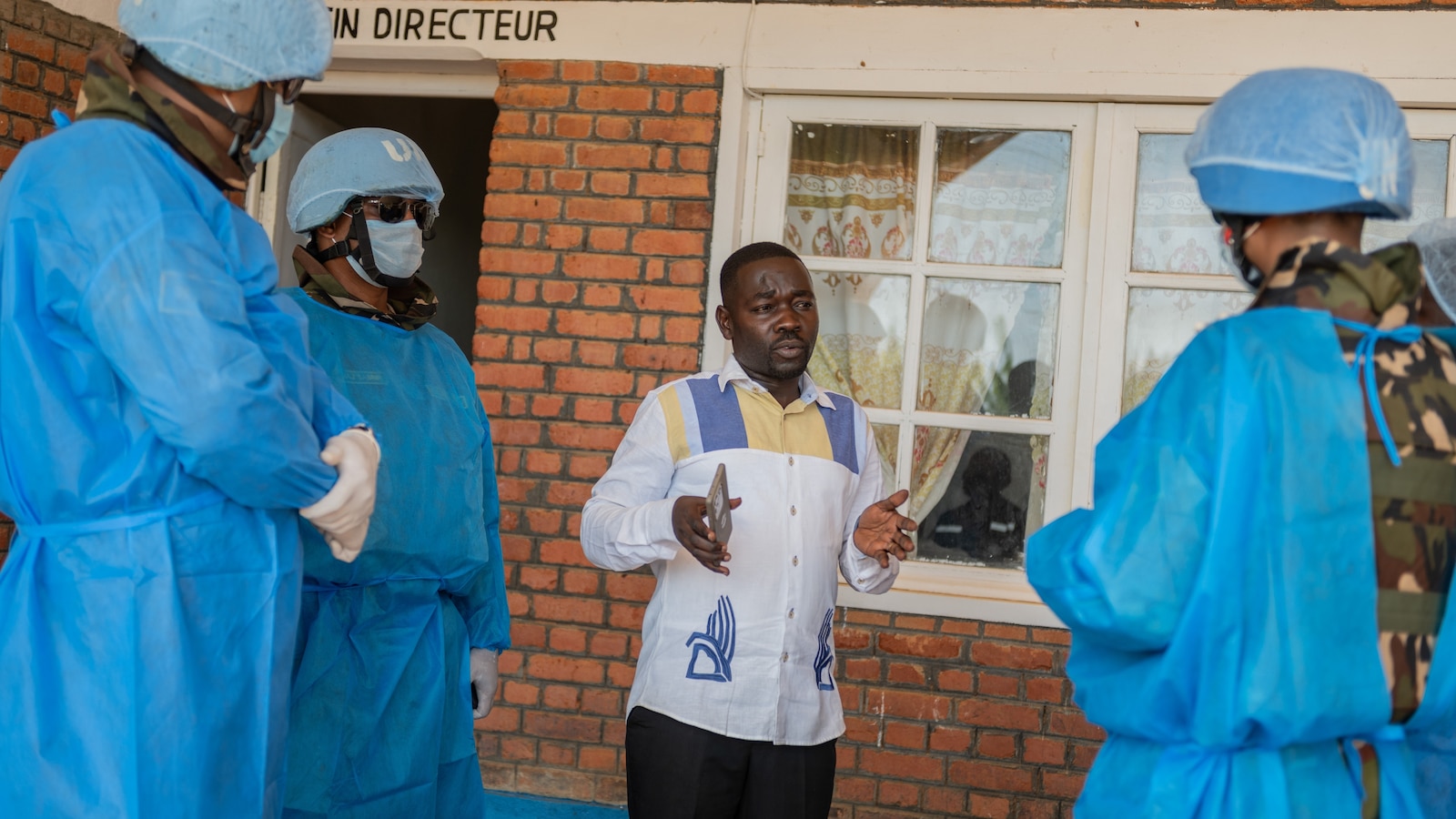
Health workers in Mongbwalu, the center of the Ebola outbreak in Congo, are facing challenges with little compensation and rest. Dr. Richard Lokudu, the medical director of Mongbwalu General Referral Hospital, and his colleagues work tirelessly treating patients, often receiving notifications of suspected cases late at night. The outbreak, believed to have started in the mining area of Mongbwalu, poses a significant risk due to the living conditions and lack of proper health protocols in the region.
The rare Bundibugyo type of Ebola has no approved vaccines or treatment, making the work of health workers even more challenging. Despite the efforts of medical personnel, there has been widespread skepticism about the disease, complicating treatment and prevention efforts. The Congolese government has confirmed 452 cases and 82 deaths, with a recent spike in new cases indicating active community transmission.
Health workers in the region are facing a shortage of resources, including masks, gloves, boots, and medications. The erosion of the health system over the years has left them with minimal support to combat the outbreak effectively. Despite the challenges, many health workers are sacrificing their rest and comfort to respond to the crisis, emphasizing the need for regular compensation and support.
The outbreak's impact on the community is evident, with families losing loved ones to the disease. Asero Jeanne, who lost two children to Ebola, highlights the devastating toll the outbreak has taken on her family. The lack of awareness and misinformation about the disease have hindered efforts to contain it, leading to more deaths and challenges for health workers on the front line.
The World Health Organization has launched a $518 million plan to combat the outbreak, emphasizing the importance of political commitment, sustained financing, and community engagement. Efforts to contain the disease have been further complicated by conflicts between the government and rebel groups, as well as attacks by militants. Despite the challenges, health workers remain dedicated to their work, facing the increasing spread of the disease with limited resources and support.
In conclusion, the Ebola outbreak in Congo has put immense pressure on health workers in Mongbwalu and surrounding areas. The lack of compensation, resources, and support has made their work even more challenging as they strive to contain the disease and save lives. The community's awareness of the outbreak's severity is growing, but more efforts are needed to combat the spread of Ebola and support the frontline workers risking their lives to fight the disease.