Reviving the U.S. Coal Industry: Trump's $700 Million Plan and Its Implications
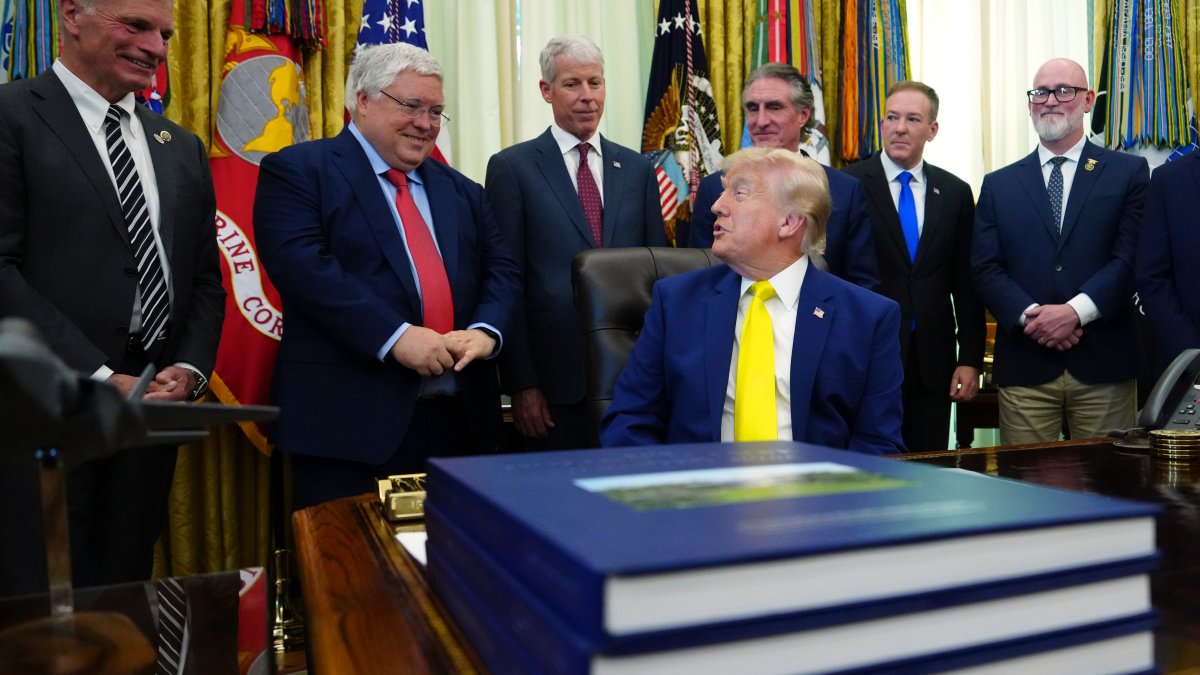
President Donald Trump has announced a plan to support the U.S. coal industry by investing nearly $700 million in coal-fired power plants and coal exports. The plan involves using a Cold War-era national defense law to back 13 coal plants nationwide and construct new coal plants in Alaska and West Virginia. This initiative aims to create over 14,000 jobs in various industries, including coal, construction, rail, and maritime sectors. Trump emphasized the importance of coal in ensuring the reliability of the electric grid and highlighted the economic benefits of the coal business.
The administration's efforts to revive the declining U.S. coal industry have included opening federal lands for coal mining and providing funds to modernize coal-fired power plants. Executive orders issued by Trump have aimed to support coal as a reliable energy source amidst competition from natural gas and renewable energy. The Energy Department has extended the operation of coal-fired power plants in several states to meet increasing power demand driven by technological advancements and electric vehicles. Emergency orders have been issued to keep aging coal plants operational during extreme weather conditions.
Environmental groups have criticized the administration's focus on coal, arguing that it will lead to higher electricity bills and increased air pollution. They have raised concerns about the impact of supporting coal billionaires with taxpayer money and the environmental consequences of prolonging the operation of coal-fired plants. Despite global coal demand reaching record levels in recent years, the U.S. faces challenges in expanding coal exports due to abundant coal reserves worldwide.
Trump's push to boost coal exports on the West Coast has faced opposition from communities and advocacy groups concerned about the environmental and health impacts of coal transportation. Efforts to build a coal export terminal in Oakland have sparked debates over the potential risks associated with shipping coal through the city. The administration's strategy aims to upgrade existing energy assets domestically and enhance U.S. coal exports to meet global demand.
In conclusion, President Trump's plan to support the U.S. coal industry through investments in coal-fired power plants and coal exports reflects his administration's efforts to revive a struggling sector. While the initiative aims to create jobs and reinforce the electric grid, it has faced criticism from environmental groups and concerns over the long-term sustainability of coal as an energy source. The debate over the future of coal in the U.S. continues amid shifting energy trends and global market dynamics.