Revamping the La Brea Tar Pits: A Look at the Museum's Major Renovation and Future as the Samuel Oschin Global Center for Ice Age Research
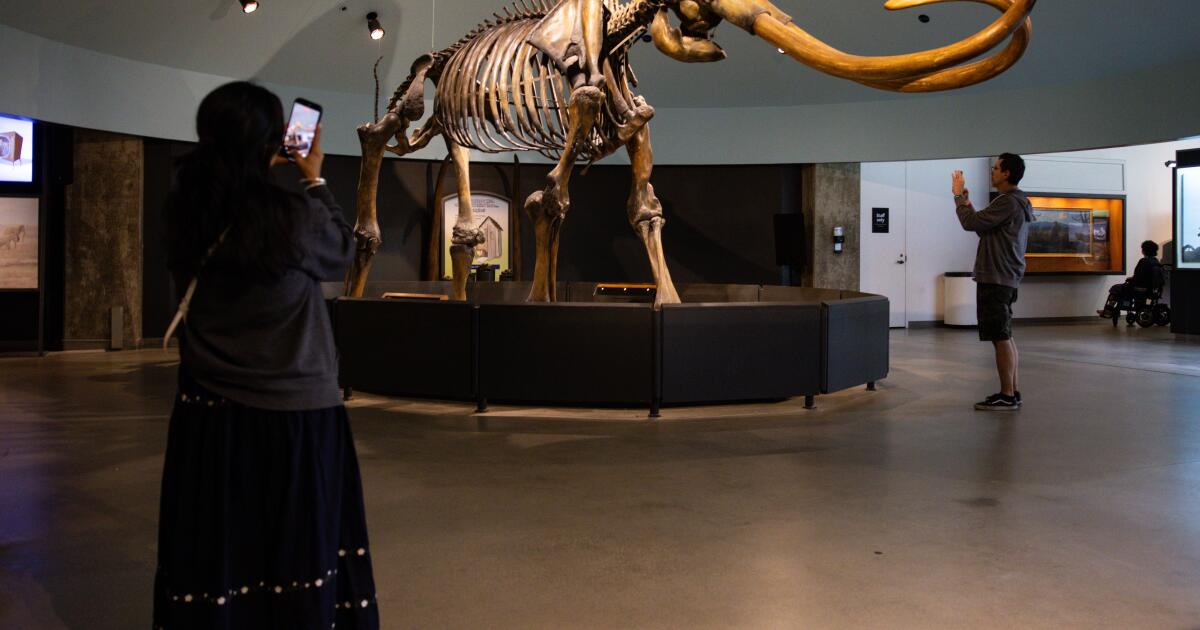
The La Brea Tar Pits are preparing for a major renovation that will close the museum for two years starting on July 6. The museum will reopen in summer 2028 as the centerpiece of the Samuel Oschin Global Center for Ice Age Research. The renovation aims to showcase the museum's collection and highlight the insights it provides into the late Pleistocene epoch and its relevance to our current ecosystem.
The museum houses 3.5 million fossils, each of which must be carefully packed and moved during the renovation. The Tar Pits offer a unique glimpse into the late Pleistocene era, capturing a near-complete record of the life in Los Angeles over the past 60,000 years. This collection is invaluable for studying climate change, extinction, and the delicate balance between humans and nature.
The current museum, known as the George C. Page Museum, opened in 1977 and is in need of updates to reflect the latest scientific understanding of the Ice Age ecosystem. The renovation will include new exhibits, improved storage and research facilities, and educational programs. The outdoor mammoth sculptures and interactive exhibits will remain, while the museum's layout will be redesigned to enhance visitor experience and scientific accuracy.
The renovation process involves packing up the fossils and relocating them to other Natural History Museums of Los Angeles County properties. Excavations at the active pits will continue during the closure, ensuring that research and conservation efforts are ongoing. The revamped museum aims to provide a more immersive and informative experience for visitors, shedding light on the interconnectedness of past and present ecosystems.