Controversy Surrounding Capitol Riot Payouts: Trump Administration's Decision on 'Anti-Weaponization' Fund
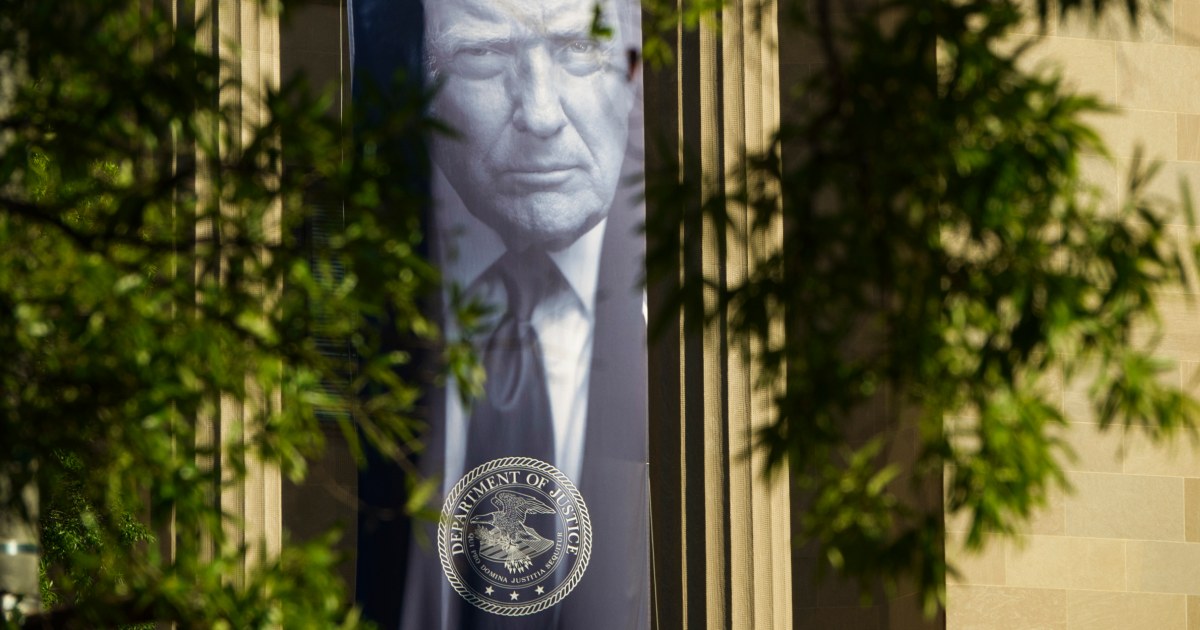
The Trump administration has decided not to move forward with the creation of the "anti-weaponization" fund, which would have provided payouts to Jan. 6 rioters. Instead, they can use the existing Judgment Fund to make payments to individuals involved in the Capitol attack. This decision came after congressional Republicans opposed the fund, calling it a "slush fund" for Trump's allies. The Justice Department must now explain its position to a judge in Virginia by the end of the week.
Critics argue that the "anti-weaponization" fund would bypass Congress's authority and allow the executive branch to distribute public money for political purposes. The fund would have been overseen by a commission appointed by Trump, raising concerns about accountability. The existing Judgment Fund is used to settle legal claims against the government without needing specific appropriations from Congress.
Former Justice Department official Paul Figley warned about the potential misuse of the Judgment Fund, highlighting the need for congressional oversight. Despite the controversy surrounding the "anti-weaponization" fund, Trump expressed his support for it, calling it important. Some individuals involved in the Jan. 6 riot have already received settlements, including the family of Ashli Babbitt, Mike Flynn, and Carter Page.
Associate Attorney General Stanley Woodward defended the use of the Judgment Fund, stating that it brings added accountability to the settlement process. He emphasized the importance of having multiple reviewers for each claim to prevent abuse. Woodward also mentioned that efforts were being made to address the weaponization of the fund that occurred during the previous administration. He clarified that he would not approve settlements involving former clients, including individuals like Peter Navarro, Kash Patel, and Dan Scavino, who were connected to the Jan. 6 events.