Trump's Criticism of Netanyahu and the Ongoing Conflict with Iran: A Look at the Tensions in the Middle East
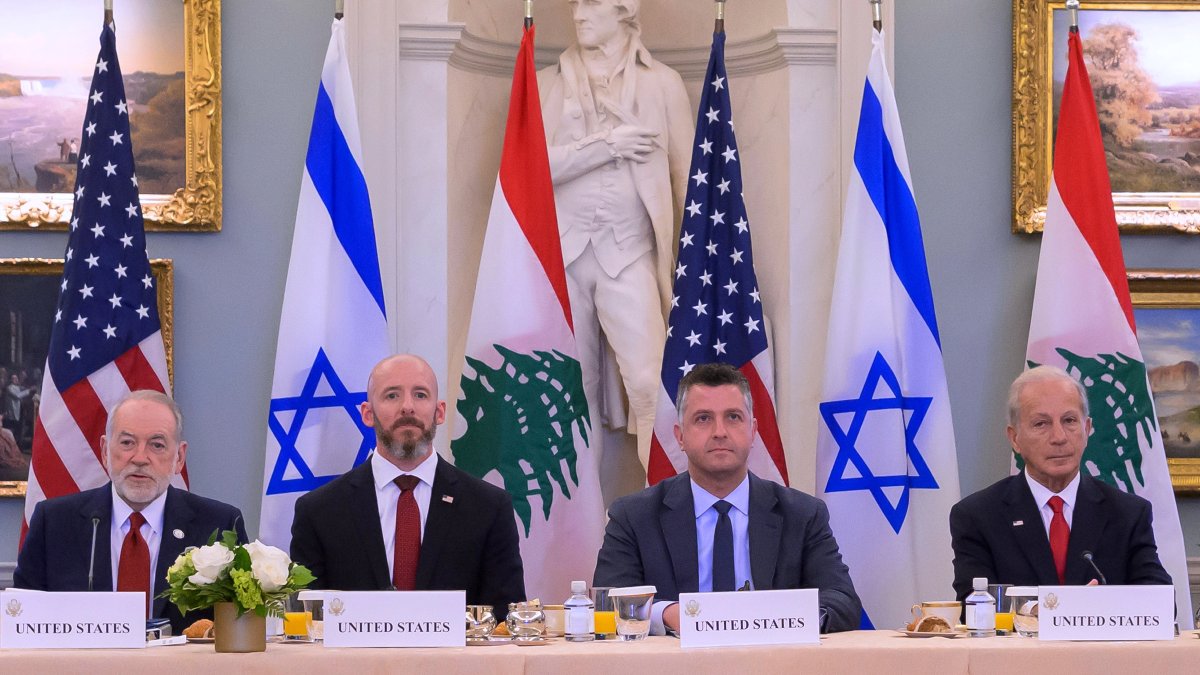
President Donald Trump recently confirmed that he had criticized Israeli Prime Minister Benjamin Netanyahu as "crazy" during a phone call, expressing frustration that Israel's actions against Hezbollah in Lebanon were hindering peace talks with Iran. Despite the tension, Trump emphasized his strong relationship with Netanyahu, highlighting their shared leadership roles during wartime. The U.S. president faces mounting pressure to resolve the conflict with Iran, as economic challenges and global uncertainties loom ahead of midterm elections.
While Trump acknowledged the strained call with Netanyahu, he refrained from committing to a specific timeline for resolving the conflict. He mentioned the possibility of the Strait of Hormuz remaining blocked until Labor Day, emphasizing the need for Iran to halt nuclear weapon efforts and reopen the strait for oil and gas shipments. Trump also noted Iran's Supreme Leader Mojtaba Khamenei's involvement in peace talks, despite his health issues following an airstrike.
As hostilities persisted in Lebanon, an Israeli strike near Beirut raised concerns, underscoring the ongoing tensions between Israel and Hezbollah. The U.S.-brokered agreement between Israel and Lebanon aimed to prevent further escalation, with discussions ongoing to achieve a comprehensive ceasefire across the country. However, sporadic strikes and interceptions continued, highlighting the fragile nature of the situation.
The conflict between Israel and Hezbollah has resulted in significant casualties and displacement, with both sides sustaining losses. The use of advanced drones by Hezbollah has posed challenges for the Israeli military, adding complexity to the conflict. As efforts continue to reach a lasting ceasefire, the region remains on edge, with the hope for a peaceful resolution hanging in the balance.