Transparency Concerns: Sealed Proceedings in Luigi Mangione's Case Spark Controversy
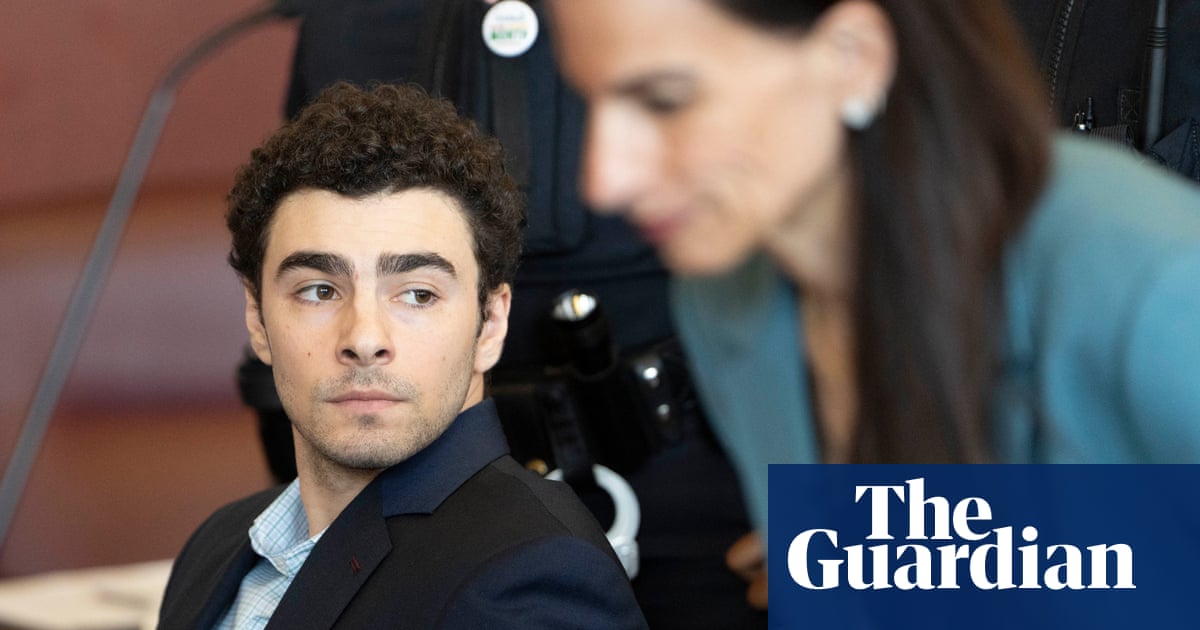
Luigi Mangione, the defendant in the New York state case involving the killing of healthcare executive Brian Thompson, faced a setback as Judge Gregory Carro conducted sealed proceedings on Wednesday, despite objections from the press. The trial for the alleged shooting of Thompson in late 2024 is set for September 8, with Mangione also facing a federal trial related to the same incident. The murder sparked public outrage against the practices of the for-profit US healthcare industry, but Mangione has maintained his plea of not guilty in both cases.
A virtual conference was scheduled for June 3, where Mangione's legal team and prosecutors were expected to appear. The conference was publicly announced at Mangione's previous court appearance. However, the media's access to the virtual proceeding was suddenly restricted by New York state courts administrators, leading to objections from various media organizations and reporters. Despite the objections, Judge Carro proceeded with the sealed conference without allowing the press an opportunity to address the court.
The lack of transparency in the sealed proceedings raised concerns about the public and press's right to attend court proceedings, which is typically upheld in New York and US courts. The media's requests to address the sealing issue were not granted, and the virtual conference commenced without their input. Judge Carro did not provide an explanation for sealing the proceedings and swiftly moved on to the next case, leaving the press without an opportunity to voice their objections.
In conclusion, the secrecy surrounding Luigi Mangione's case has raised questions about the transparency of court proceedings and the media's access to information. Despite objections from media organizations, the sealed virtual conference proceeded without allowing the press to address the court, highlighting the challenges in ensuring public scrutiny and accountability in legal proceedings.