Title: North Korea's Accelerated Nuclear Program: A Defiant Pursuit of Military Power
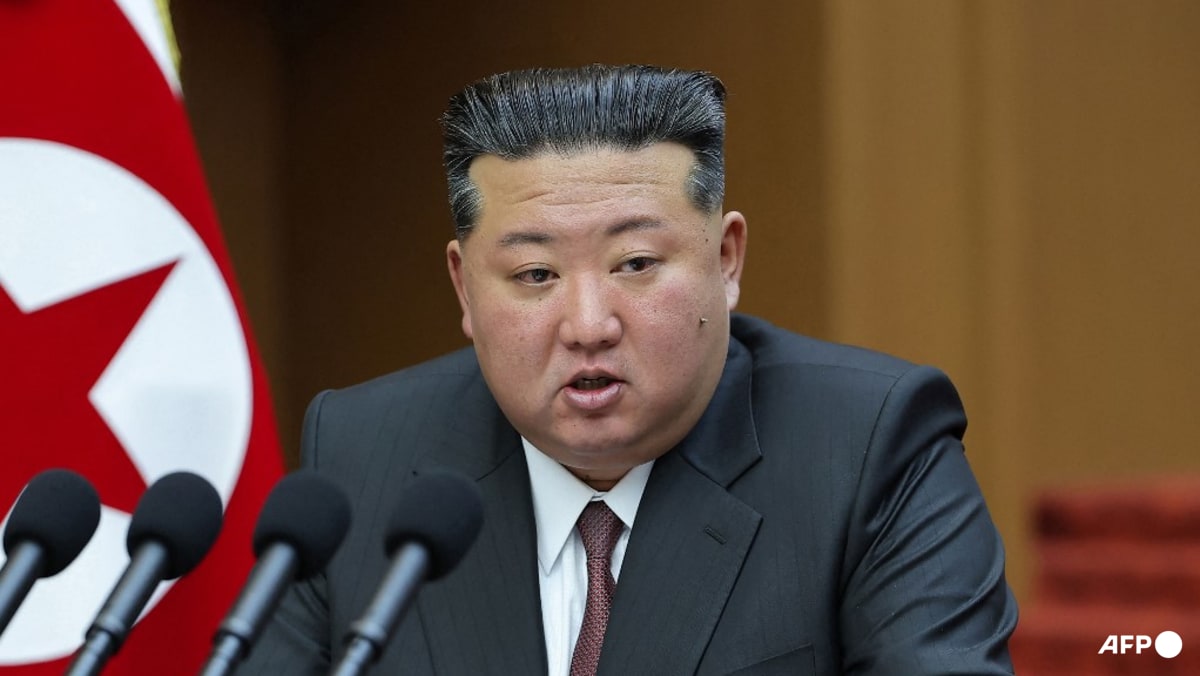
North Korea's leader, Kim Jong Un, revealed that the country's production of weapons-grade nuclear material has more than doubled in the last five years. He made this announcement during a visit to a new nuclear material production facility, where he outlined plans for a significant increase in military nuclear capabilities. Kim emphasized North Korea's commitment to strengthening its nuclear forces at an exponential rate, viewing its nuclear arsenal as a crucial defense against potential threats from South Korea and US forces.
Kim Jong Un highlighted the ambitious future plan aimed at enhancing North Korea's state nuclear forces rapidly. He described the planned increase in nuclear capabilities as a historic milestone that represents a remarkable and successful transformation. Despite pressure from the United States to denuclearize, North Korea remains steadfast in its stance, asserting that its nuclear program is irreversible. Pyongyang's withdrawal from the Non-Proliferation Treaty in 1993 and subsequent nuclear tests have led to international scrutiny and sanctions.
North Korea's defiance of international pressure and its determination to advance its nuclear capabilities have raised concerns globally. The country's nuclear program, characterized by multiple nuclear tests and possession of nuclear warheads, has been a subject of contention and condemnation by the United Nations. As North Korea continues to prioritize its nuclear agenda, the implications for regional and global security remain a significant point of discussion and debate.
In conclusion, North Korea's announcement of a substantial increase in weapons-grade nuclear material production underscores its commitment to bolstering its military nuclear capabilities. Despite international pressure and sanctions, the country remains resolute in its pursuit of nuclear advancement, viewing it as a vital component of its national security strategy. The escalation of North Korea's nuclear program poses challenges for regional stability and international efforts to address nuclear proliferation, highlighting the complex dynamics surrounding the issue of nuclear weapons on the Korean Peninsula.